




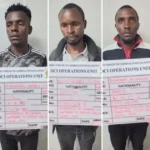

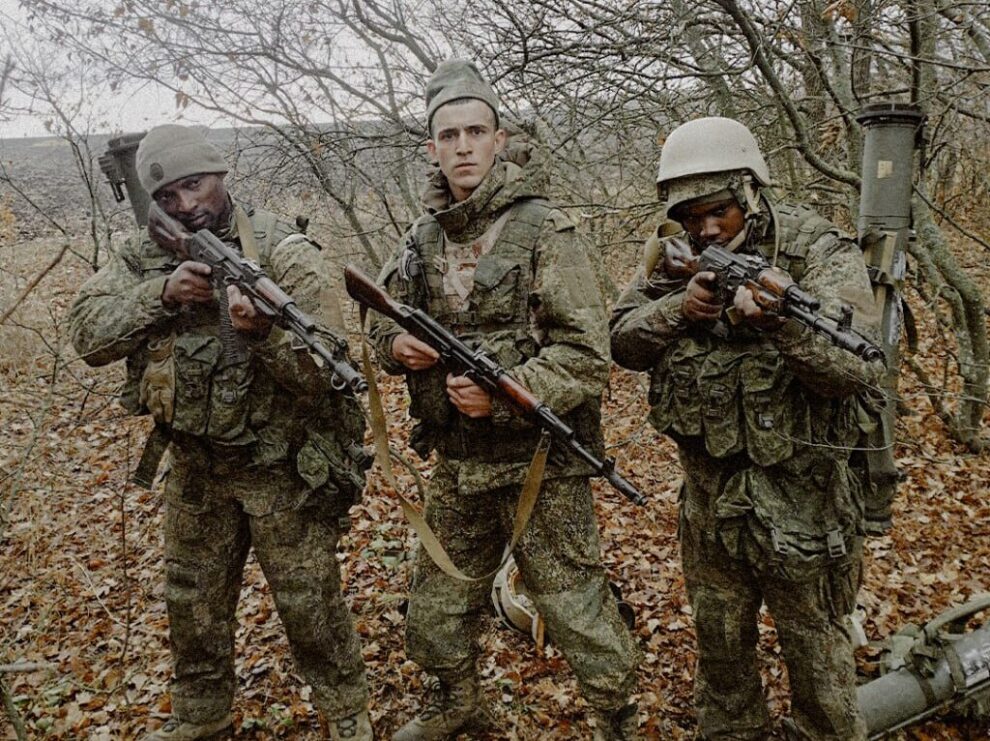

An investigative report has detailed how hundreds of young Kenyans were drawn into Russia’s military through false job offers, with many ending up dead or held as prisoners.
The report, called Death Contracts and produced by Journalists for Justice, says more than 3,000 African nationals have been enlisted into Russian forces. Kenya accounts for the largest share, with 841 documented cases.
At least 76 Kenyans have been confirmed killed.
Recruiters targeted unemployed youth, former National Youth Service graduates, athletes and security workers.
They offered high-paying technical or security jobs that sounded similar to legitimate overseas missions.
Meetings took place openly in Nairobi, including at the Kenyatta International Convention Centre. Agencies such as Global Face Human Resources Limited handled the process.
Applicants paid fees through M-Pesa and received one-way tickets via Istanbul or Dubai.
Once in Russia, the recruits faced a different reality. Many signed contracts written in Russian that they could not read. Signing bonuses of around 1.9 million roubles were promised, but large portions disappeared quickly into fees and deductions.
Training was short, sometimes lasting only a few days, before the men were sent to the front lines.
Evans Kibet, a former competitive athlete from Mount Elgon, is one example. His family said a friend promised him a running opportunity in Moscow with a monthly salary of about 250,000 shillings. He signed papers he did not understand.
Within weeks he was fighting and later became a prisoner of war in Ukraine. He is now held alongside other Africans.
Daniel Kariuki, a former military officer who lost his Nairobi business during the 2024 protests, also joined after being offered work. He survived a landmine blast and managed to return home.
Others in his travel group were killed in drone strikes or captured.
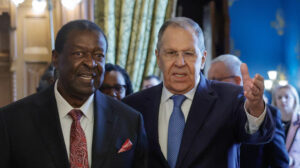
Foreign Affairs Cabinet Secretary Musalia Mudavadi later secured a commitment from Moscow to stop further recruitment through the Russian Ministry of Defence. Hundreds of Kenyans remain unaccounted for, however.
The Kenyan government has also pointed to Section 68 of the Penal Code, which addresses foreign enlistment, when dealing with cases and compensation claims.
Families continue to search for answers. Some have been approached by intermediaries seeking a share of possible Russian compensation payments in exchange for documents.
The report describes an ongoing network that preys on economic hardship and leaves relatives without clear information about their missing sons.












Add Comment