




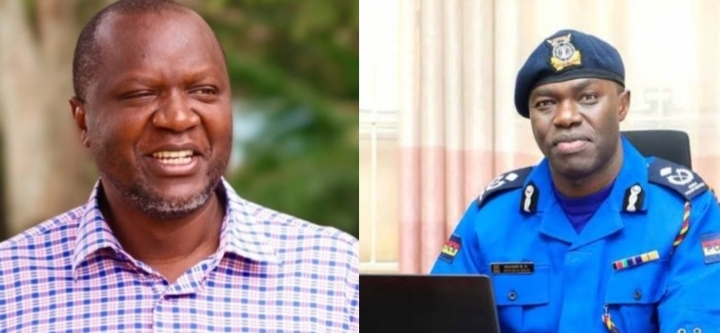

Prominent Kenyan lawyer Willis Evans Otieno took aim at Muchiri Nyaga, the National Police Service spokesperson. Otieno said he will never forget the day Nyaga stood before the nation and claimed that Albert Ojwang died after repeatedly hitting his head against a cell wall.
That explanation, Otieno argued, now looks badly weakened by later evidence.
Kenyans, he believes, deserve clear answers about who approved that story, why it was shared as fact so quickly, and whether anyone will face consequences for giving the public what many now see as misleading information.
The case of Albert Ojwang, who died while in police custody at Central Police Station in Nairobi, has raised serious concerns about how law enforcement handles suspects and communicates with the public.
According to the official press statement issued by the National Police Service on June 8, 2025, and signed by Muchiri Nyaga, Ojwang was lawfully arrested by DCI detectives for false publication. While in custody, the statement said, he sustained head injuries after hitting his head against the cell wall.
Officers noticed the injuries, rushed him to Mbangathi Hospital, and he was pronounced dead on arrival.
The statement also noted that the Independent Policing Oversight Authority (IPOA) had launched an investigation.
In which it was discovered later that Albert Ojwang was tortured and killed while in police custody.
He pointed out that a police spokesperson’s job is to give truthful information to the public, not to push early conclusions or defend possible falsehoods.
In his view, the initial narrative failed to hold up once more details came out. This has left many ordinary Kenyans wondering about accountability inside the police force. When those who speak for the police get things wrong or rush to conclusions, it damages trust in the entire system.
Muchiri Nyaga has served as the face of the National Police Service for some time. His role puts him in the spotlight during sensitive incidents, and his words carry weight.
People expect him to be careful, balanced, and accurate because his statements shape how the public sees the police.
In this case, the quick claim about self-inflicted injuries has come under heavy criticism. Families who lose loved ones in custody want facts, not what feels like a convenient story.
The gap between the official line and emerging evidence has fueled anger and calls for deeper investigation.
Otieno’s comments highlight a bigger problem in Kenya. When police handle deaths in custody, transparency matters more than anything. The public has a right to know exactly what happened, step by step.
Was the arrest proper? How was Ojwang treated inside the cell? Were there cameras or witnesses?
These are basic questions that demand straight answers. Brushing them aside only makes people more suspicious.
The lawyer’s strong words serve as a reminder that public officials, especially those in law enforcement, must answer to the citizens they serve.
Misleading statements erode confidence in institutions that are supposed to protect rights and uphold justice.
Kenyans have seen too many cases where explanations from authorities later fall apart.
This pattern creates frustration and weakens the rule of law.
As the IPOA investigation continues, many are watching closely. They want to see real accountability, not just another report that gathers dust.
Willis Otieno has made it clear that forgetting this incident is not an option. The death of Albert Ojwang should push for better practices in police custody, stricter oversight, and honest communication from spokespeople like Muchiri Nyaga.





Add Comment