


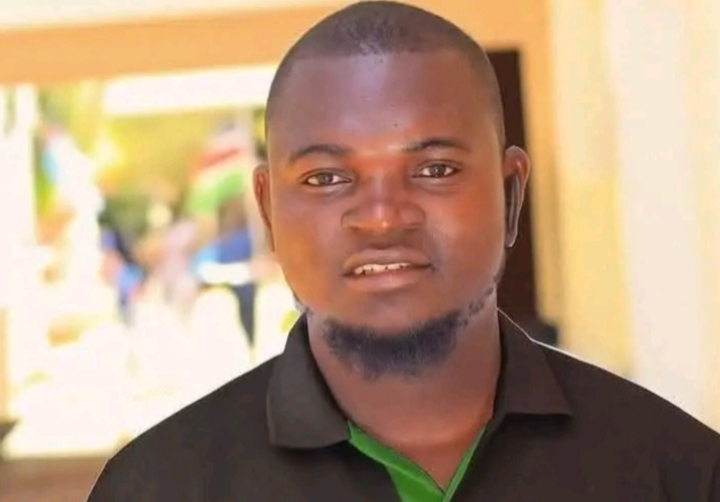

Albert Ojwang was a high school teacher and a father. He was also known for speaking out on social media. His death in police custody has raised many questions in Kenya.
Reports say he died at Central Police Station in Nairobi. The police have given some details about what happened. But many people, including Cyprian Nyakundi who first exposed the matter, want clearer answers.
Nyakundi has pointed out the sudden openness from the state in this case. He noted that the recovery of CCTV footage and quick release of some information seem unusual when powerful people are involved.
In such situations, he asks if the authorities might be ready to blame lower-level officers while protecting someone higher up who gave the orders.
According to reports by The Star newspaper, Ojwang was taken from Central Police Station to Karura Forest at one point.
There, he met a senior police official before he was allegedly tortured. He collapsed, and this caused panic among those present.
He was then brought back to the station in bad condition. He later died.
This account differs from some early police statements. The Star described it as a planned operation.
Sources told the paper that Ojwang arrived at the station in good health after being brought from Homa Bay.
Later that night, he was removed from his cell and taken to the forest in a private vehicle. He was reportedly beaten while handcuffed. When he became unconscious, he was returned to the station.
Some officers at the station reportedly objected to receiving him in that condition, but they were overruled by orders from above.
Nyakundi has urged people to look beyond what the state is showing. He says when officials release some details quickly, it is important to ask what they are not saying.
Who ordered Ojwang to be removed from the station? Who was waiting for him in Karura?
Why was he taken there?
These are some of the hard questions he raises.
Karura Forest has come up in past stories about security issues in Kenya. Some older reports have linked the area to incidents involving detainees.
But each case needs its own careful look. In Ojwang’s situation, the focus is on what happened during those hours he was away from the station.
The family and many Kenyans want full accountability. They want to know the full chain of events. Independent investigations, such as those by the Independent Policing Oversight Authority (IPOA), are important in such matters.
Questions about tampered CCTV systems at the station have also been raised in public discussions.It is normal for the public to seek transparency when someone dies in custody.
Ojwang left behind a young family. His death has led to calls for justice.
The police and other agencies have a duty to explain clearly what took place. Blaming only junior officers while leaving bigger decisions unexamined would not satisfy many people.
Nyakundi’s approach is to keep asking the difficult questions. He encourages Kenyans not to accept partial stories. The state has shown some information about the death. But the removal to Karura and the senior official reportedly involved need more light.
Was there a cover-up of the events in the forest as reported by The Star?
Who gave the final orders for the actions taken that night?
These questions matter for public trust in the security system. Kenya has seen cases where deaths in custody led to long debates about police conduct. Proper investigation can help prevent similar incidents.



Add Comment