






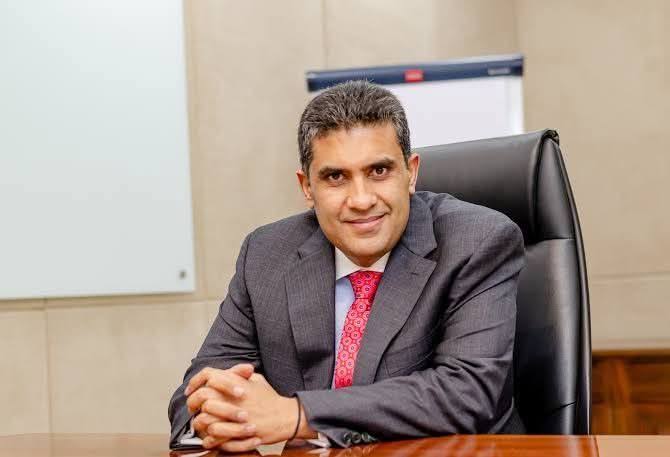

The upcoming recruitment of the Teachers Service Commission (TSC) Secretary and Chief Executive Officer has attracted attention following claims that businessman Jayesh Saini is seeking to influence the appointment amid growing questions over the previous medical insurance arrangements for teachers.
The commission is expected to interview five shortlisted candidates on Monday at TSC House in Upper Hill, Nairobi, as it moves to fill the position left vacant following the departure of former CEO Nancy Macharia.
The recruitment has attracted interest because the successful candidate will take charge of an institution responsible for managing one of the largest public workforces in the country, including decisions touching on teacher recruitment, deployment, discipline and financial administration.
Acting CEO Dr Evaleen Jesang Mitei, who has occupied the position since June 2025, is among the five candidates seeking the substantive appointment.
She will compete against the commission’s Director of Finance, Cheptumo Ayabei, as well as Robert Odette, Lawrence Ngai Kaburu and Farah Abdi Saman.
However, claims surrounding Saini’s alleged interest in the recruitment have introduced another dimension to the contest, particularly because of his reported links to the previous teachers’ medical insurance arrangement.
According to claims contained in a recent report, Saini is allegedly interested in influencing the outcome in favour of one of the shortlisted candidates.
The report further claims that the recruitment has attracted financial interests connected to the previous medical scheme, with the CEO position viewed as strategically important because of the office’s authority over procurement, financial management and administrative decisions.
Saini’s name has previously been associated with companies involved in administering teachers’ medical insurance, including Medical Administrators Kenya Limited.
The arrangement reportedly handled premiums estimated at approximately Sh161 billion over a period of nine years, with annual expenditure reaching nearly Sh17.9 billion at its peak.
The scale of the scheme makes the claims surrounding the recruitment particularly significant, considering the complaints that emerged from teachers and healthcare providers during its operation.
Teachers and their representatives had repeatedly raised concerns about access to medical services, with beneficiaries reporting difficulties obtaining treatment despite making regular contributions through salary deductions.
Some patients reportedly encountered situations where they were required to pay cash at medical facilities, while hospitals raised concerns over delayed payments.
Questions were also raised about the administration of referrals and approvals, including claims that certain healthcare facilities within the network received preferential treatment.
These concerns placed the management of teachers’ medical cover under considerable pressure, with the previous arrangement eventually coming to an end in November 2025 as teachers transitioned to the Social Health Authority.
The transition marked a significant change in the administration of healthcare services for teachers, ending the previous exclusive administrative arrangement and creating a different framework for managing their medical needs.
Against this background, the allegations that commercial interests could be seeking to influence the selection of the next TSC chief executive raise questions about the independence of the recruitment process and the importance of protecting public institutions from outside influence.
The report further alleges that substantial financial resources have been directed towards influencing the recruitment, with the possibility of future involvement in teachers’ medical arrangements forming part of the wider interest.
However, the claims of lobbying and financial inducements remain allegations. No confirmation of the alleged interference has been established, and neither Saini nor the shortlisted candidates has publicly confirmed the claims.
The TSC has also not indicated in its official recruitment notices that the process is facing external interference.
The position being contested carries considerable authority within the commission.
The Secretary and CEO serves as the accounting officer, heads the secretariat and oversees the institution’s administrative and financial operations.
The successful candidate will therefore occupy an office with influence over decisions affecting hundreds of thousands of teachers, making the integrity of the appointment particularly important.
Mitei brings years of experience within the commission, having risen through various administrative positions before taking over as acting CEO in June 2025.
Ayabei, on the other hand, has experience in financial management through his position as the commission’s Director of Finance.
Odette, Kaburu and Saman complete the shortlist after meeting the formal requirements for consideration.
The recruitment began towards the end of September when the commission advertised the vacancy, attracting 124 applications.
The applications were subsequently reviewed before the candidates were narrowed down to five.
As part of the process, the commission published the long list and shortlist and invited members of the public to submit sworn affidavits containing credible information about the candidates.
The deadline for public submissions fell this week.
Applicants are also required to meet integrity and professional standards, including obtaining clearances from tax authorities, anti-corruption agencies, credit reference bureaus and the police.
These requirements are intended to ensure that the person appointed to lead the commission meets the constitutional standards expected of public officers, particularly under Chapter Six of the Constitution.
The CEO will serve a five-year term, renewable once subject to performance, making the appointment an important decision for the commission’s long-term leadership.
For teachers, however, the recruitment carries significance beyond the personalities competing for the position.
Previous experiences with the medical insurance scheme have left questions about accountability, access to healthcare and the management of funds collected for their benefit.
The selection panel will now face the responsibility of conducting a process that is not only competitive but also demonstrably independent.
Given the billions of shillings previously handled under teachers’ medical cover, any perception that commercial interests could determine who occupies the commission’s top administrative office risks undermining public confidence.
Monday’s interviews will therefore be closely watched, with attention extending beyond the candidates’ qualifications to the commission’s ability to protect the recruitment from any form of external influence.














Add Comment