


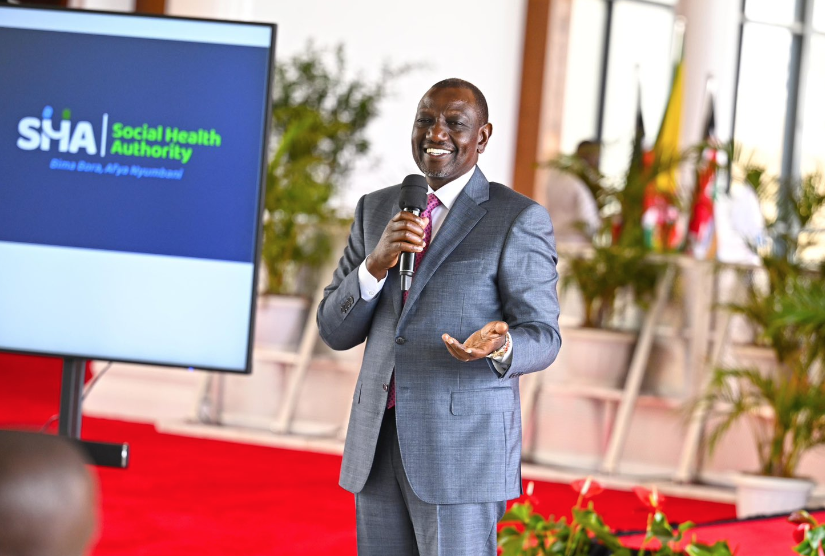

Kenyans seeking treatment at major hospitals continue to face unexpected bills for outpatient care even when they hold active Social Health Authority cover, according to widespread reports from patients and public figures.
The complaints centre on Level 5 and Level 6 facilities, where many say the scheme fails to meet the promise of free services once a person falls ill and has no money to pay.
Geoffrey Mosiria raised the issue directly with President William Ruto in a public message, stating that SHA is not working for outpatient services in those higher-level hospitals. He noted that even patients referred from Level 4 facilities often leave empty-handed or are asked to pay.
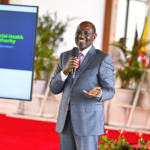
Mosiria reminded the President of assurances given at a health forum at KICC, where systems were said to be in place so that SHA would cover patients at all levels without extra charges.
He stressed that this is not politics but the daily reality Kenyans meet when they seek care, and that failure on health risks losing public support.
The Social Health Authority replaced the old National Hospital Insurance Fund with the aim of wider coverage. Official figures show more than 32 million people registered and substantial sums paid to facilities. Primary healthcare at lower levels is meant to be free through a government-funded package, while the Social Health Insurance Fund is supposed to support outpatient care at Level 4 and above, including consultations, tests and minor procedures.
In practice, however, patients report that referrals are frequently required yet still do not guarantee payment. Some facilities demand cash at the counter for outpatient visits, and system changes involving new contracts and a shift to a Health Management Information System have added delays and confusion, especially at larger hospitals.
Hospital managers and patients describe a gap between policy and the service desk. Claims processing has faced backlogs, and higher-level facilities have been slower to complete required system upgrades.
One patient recounted paying the annual contribution yet receiving no cover for a referred outpatient case at a Level 5 hospital.
Others say civil servants sometimes receive different treatment, while ordinary contributors are turned away or billed. These experiences fuel frustration because health is one of the services people encounter most often.
President Ruto has defended the scheme as performing better than its predecessor and covering more people for surgeries, cancer care and maternity services.
Recent agreements between SHA and county governments have extended some contracts and set new deadlines for compliance. Yet the gap at Level 5 and Level 6 outpatient departments remains a live complaint.
Fixing it means ensuring that the cover people pay for actually reaches them when they need it most, without surprise charges or endless referrals that lead nowhere.




Add Comment