





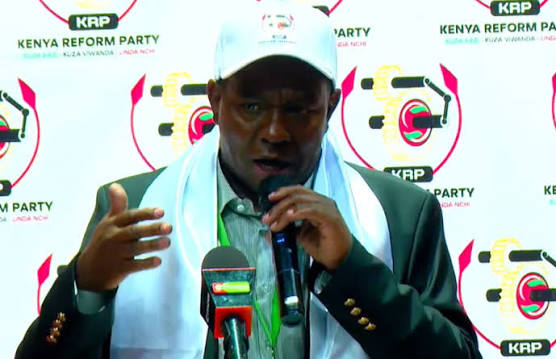

Ndiritu Muriithi is facing growing questions over claims that influencers hired to promote his rise as Kenya Reform Party leader have not been paid for their work, putting fresh pressure on the KRA board chairman as he positions himself for another political battle in 2027.
Muriithi, who chairs the Kenya Revenue Authority, recently took charge of the Kenya Reform Party after presenting himself as a leader with a plan to transform Kenya’s economy.
His proposals have included establishing industrial parks in every county, creating a Sh150 billion fund to support mass production and expanding opportunities for young people.
He has also set his sights on returning to the Laikipia governor’s seat, which he held between 2017 and 2022.
But claims by influencers who helped promote his political activities threaten to complicate that message. The creators say they invested their time, platforms and audiences in promoting Muriithi and his party leadership moment but have not received the payments they expected for the work.
” KRA Chairman @NdirituLaikipia, who wants to vie for Laikipia Governor, has refused to pay influencers who helped amplify his coronation as Kenya Reform Party leader. Pres @WilliamsRuto kindly urge the @KRACare Chairman to stop NYANYASARING the youth” on of the frustrated youth posted his frustration on X.
The dispute is particularly sensitive because of Muriithi’s position at KRA and his public message on economic responsibility. The authority he chairs is responsible for collecting taxes from Kenyans and businesses, including people working in the rapidly growing digital economy.
Content creators have increasingly become part of that economy, earning income through advertising, brand partnerships, political campaigns and other forms of digital work.
For young influencers, payment for promotional work is not simply a matter of convenience. It is their income and, in many cases, their livelihood. When a political figure uses their platforms to reach thousands or millions of people, the expectation is that the agreed work will be paid for.
The claims therefore raise uncomfortable questions about the gap between political promises and conduct. Muriithi has spoken about youth empowerment, job creation and building an economy that gives young people a greater stake in the country’s future.
Those promises face a credibility test when young people who say they worked to promote his political agenda complain that they have not been paid.
Muriithi’s political journey has placed him in both government and electoral politics. He served as Laikipia governor before losing the position in the 2022 elections. He was later appointed chairman of KRA by President William Ruto.
His return to active party politics has now placed him back in the political spotlight as he prepares for the 2027 elections.
The influencer dispute comes at a time when politicians are increasingly relying on digital platforms to shape public opinion. Young creators can give politicians direct access to audiences that traditional campaign structures may struggle to reach.
Their influence has become an important part of modern political campaigns, making their treatment an issue that goes beyond individual contracts.
Muriithi has built his latest political message around economic reform, manufacturing, value addition and job creation. He has also presented himself as a leader interested in practical solutions rather than empty political rhetoric.
Those ambitions will inevitably invite greater scrutiny of how he deals with people around him, particularly young people whose work contributes to his public image.








Add Comment