




Kenya is preparing a significant package of funding to strengthen its readiness against Ebola, with plans now in place for more than 75 billion shillings.
Most of this money is expected to come from international partners rather than local sources.
According to the latest figures, the proposed financing totals 75.4 billion shillings. The largest share, 51.8 billion shillings, is lined up from the World Bank.
The United States is expected to contribute 21 billion shillings, while Kenya’s National Treasury will provide 2.6 billion shillings.
Together these amounts form the bulk of the support being assembled for preparedness and response activities.
The move comes as health authorities continue to prioritise measures that can help the country detect and contain any potential outbreak early.
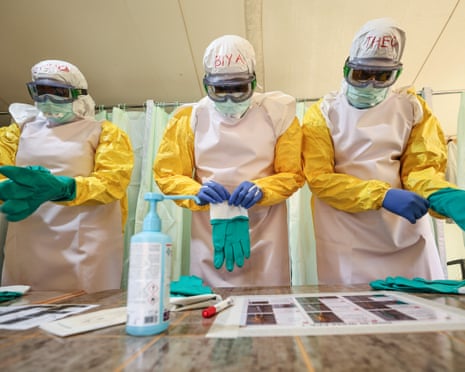
Ebola remains a serious concern in parts of the region, and officials have stressed the need for better surveillance, laboratory capacity, protective equipment, and trained response teams.
The funding is intended to cover these areas and improve coordination between national and county health systems.
Much of the international support is still at the proposal stage, meaning the final amounts and timelines will depend on formal agreements with the partners involved.
The World Bank contribution forms the core of the package, while the United States portion reflects continued bilateral health cooperation.
Kenya’s own contribution, though smaller, signals a commitment to share the costs of protecting public health.
Officials have not yet released a detailed breakdown of how the money will be spent across different programmes.
However, past experience with disease outbreaks suggests the funds will support training for health workers, stockpiling of medical supplies, upgrading of isolation facilities, and community awareness campaigns. Strengthening border health checks and rapid testing capacity is also likely to feature in the plans.
The announcement has drawn attention to the scale of resources required to keep the country prepared. While Kenya has not faced a major Ebola outbreak in recent years, neighbouring countries have dealt with cases that required cross-border cooperation.
Health experts note that early investment in preparedness is far less costly than responding to a full-scale epidemic once it has taken hold.
The focus remains on securing the commitments and turning the proposed financing into concrete programmes on the ground.
Once the agreements are finalised, the funds are expected to flow into the health sector over the coming months, giving authorities the tools they need to respond quickly should any threat emerge.










Add Comment