



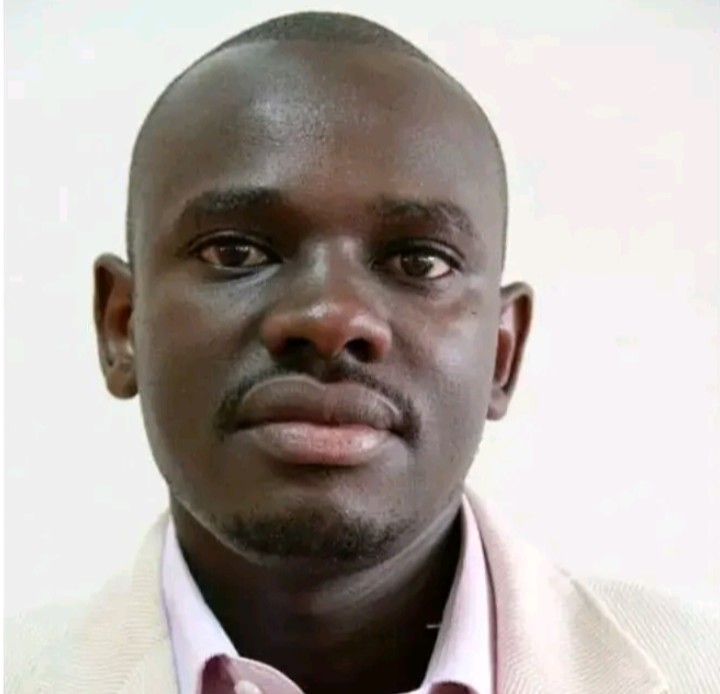

The Ethics and Anti-Corruption Commission has recovered assets worth about 207.7 million shillings from Andrew Biketi Musuya, a former accountant who once worked at the Ministry of Public Health and Sanitation and later at the Trans Nzoia County Government.
A court ruled that he could not properly explain how he came by wealth that far exceeded his known legitimate income.
Investigations by the commission looked at the period from January 2013 to October 2018. During that time Musuya built up assets valued at roughly 290 million shillings.
These included bank and M-Pesa deposits, several pieces of land and buildings, and motor vehicles. The commission took the matter to court under the law that allows recovery of unexplained wealth.
It asked for the forfeiture of around 284 million shillings. In the end, Justice Rose Ougo of the Anti-Corruption and Economic Crimes Court ordered that 207.7 million shillings worth of assets be handed over to the government.
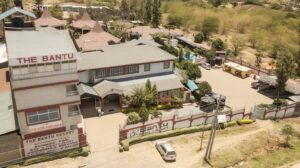
The properties that will now go to the state include two five-storey apartment blocks and a five-bedroom townhouse in Mtwapa, Mombasa County, together with seven undeveloped plots of land in Mombasa and Bungoma.
These properties alone are valued at about 150 million shillings. Also included are bank and mobile-money deposits of roughly 53.5 million shillings and two motor vehicles worth about four million shillings.
One of the vehicles, a Toyota Harrier, was registered in his wife’s name, but the court found that Musuya’s money had paid for it and therefore ordered its forfeiture as well.
In court Musuya offered several explanations for his wealth. He pointed to income from a club, maize farming, loans, consultancy work and rental properties.
The judge examined each claim carefully. She found that the figures from the club represented total sales rather than actual profit, that money said to come from farming could not be linked to the purchase of the assets, and that the claimed loans and consultancy earnings were not properly proven.
As a result the court concluded that he had failed to account for the bulk of the assets under review.
The case forms part of the commission’s wider work to recover assets that public officers cannot explain and to return them to public use. In a short statement the commission said it remains committed to protecting public property so that resources serve the interests of all Kenyans.
The forfeiture order means the identified properties, money and vehicles will now be transferred to the government.






Add Comment