


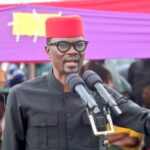



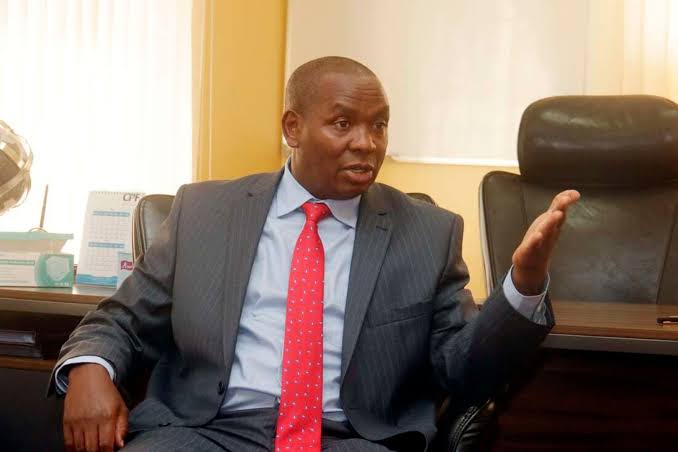

Nderitu Muriithi’s time as Laikipia Governor continues to draw sharp questions from residents who still feel the weight of decisions made during his term.
At the centre of the criticism is a five-year vehicle leasing arrangement with Toyota Kenya that many now describe as one of the most expensive and poorly judged contracts the county has signed.
Under the deal, the county leased 20 double-cab pickups at Ksh 17,000 each per day and a V8 vehicle for the First Lady’s office at Ksh 42,000 per day.
The daily cost came to Ksh 382,000. That worked out to roughly Ksh 2.6 million every week and about Ksh 11.4 million every month.
Over a full year the bill reached approximately Ksh 139.4 million. Across the five-year contract the total climbed to nearly Ksh 697 million.
At the end of the lease the vehicles returned to Toyota. The county was left with nothing to show for the money spent.
Simple arithmetic shows how different the outcome could have been. A new Toyota Hilux double cab costs between Ksh 6.5 million and Ksh 7.5 million. With the money paid each year for the 20 pickups alone, the county could have bought 17 to 19 brand-new vehicles outright. Including the V8, the annual outlay could have purchased 18 to 21 vehicles. Over five years that would have meant more than 90 to 100 new vehicles owned by the county, complete with logbooks.
Instead, Laikipia ended the contract with zero cars and a growing pile of pending bills.
The leasing deal was not the only point of contention. Muriithi became the first governor in Kenya to establish a formal First Lady’s office complete with its own budget, staff and the expensive V8.
That office operated from Kencom House in Nairobi rather than from Laikipia. Residents and local suppliers complained that major tenders and contracts were directed through the Nairobi office.
At the same time, hospitals in the county struggled with shortages of drugs and many early childhood centres lacked basic furniture. The contrast between the costly setup in the capital and the conditions on the ground in Laikipia remains a source of anger for many.
When Joshua Irungu took over as governor he terminated the leasing contract almost immediately, citing the heavy financial burden it placed on the county. That decision alone has been taken by critics as confirmation that the arrangement was unsustainable. Pending bills left behind from the period continue to affect service delivery years later.
Muriithi is now positioning himself for a possible return to the Laikipia governor’s seat. Some residents view the prospect with deep unease. They argue that the leasing episode and the Nairobi-based First Lady’s office showed a preference for appearance over lasting value.
New cars parked outside county offices created an image of progress, yet the vehicles were only rented and the real cost was paid by taxpayers who never owned them.
Others defend leasing arrangements in principle, noting that many governments and large companies prefer them because maintenance, insurance and servicing are handled by the lessor. Still, the scale of the Laikipia contract and the decision to run key functions from Nairobi have left a lasting mark on public memory.







Add Comment