
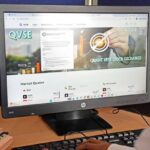

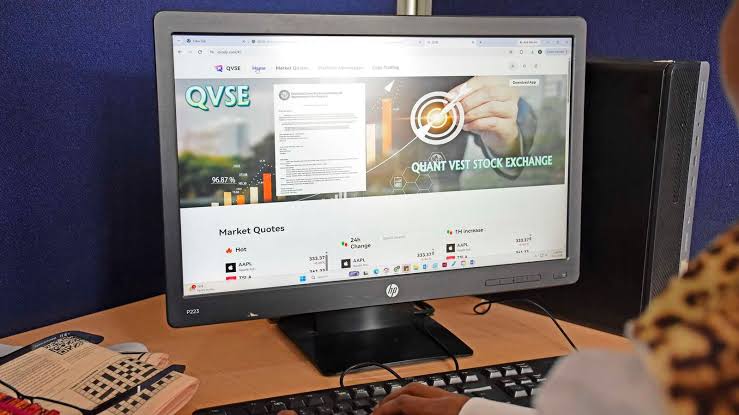

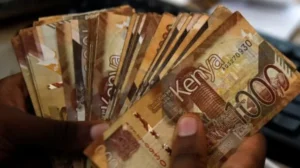
Thousands of Kenyans who invested money through an online trading platform known as Quant Vest Stock Exchange (QVSE) are now struggling to access their funds after their accounts were frozen.
Some investors say they have been unable to withdraw either their original deposits or profits displayed on the platform, leaving many worried about the money they put into the scheme.
The platform attracted a wide range of Kenyans, including teachers, small-scale traders, boda boda operators and other workers. It was linked to a person who identified himself as Carl Grindan and was commonly referred to by investors as “Prof Carl.”
The platform presented itself as an opportunity for Kenyans to make money by copying trades involving United States companies such as Apple and Tesla.
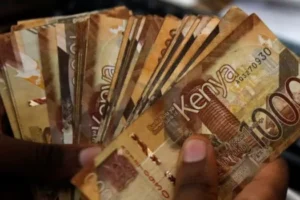
Investors were encouraged to start with amounts of about Sh65,000 or Sh129,000. They were told that their money could grow significantly within a few months through the trading system.
Members received trading signals at specific times each day and were given only a few minutes to act on them.
For some investors, the early experience appeared positive.
A number of members reported making profits and were able to withdraw small amounts of money. These early withdrawals helped create confidence among participants and encouraged others to put more money into the platform.
Communication between investors and those running the platform was mainly carried out through a messaging application.
Carl regularly shared updates with members and posted photos that were presented as evidence of people who had made money through the trading system.
The activity helped attract more people, with some investors recommending the platform to friends and relatives.
The situation changed in early September when many investors found themselves unable to access their accounts.
They were accused of operating multiple accounts, while some were told that anti-money-laundering requirements had to be met before their accounts could be restored.
Investors were reportedly instructed to deposit an amount equal to their original capital to “activate” their accounts again. Those who could not raise the additional money, or refused to pay, remained locked out of their accounts.
This left them unable to withdraw the money they had initially deposited or the profits shown on the platform.
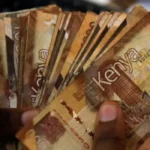
The financial impact has been significant for some of those affected. Some investors say they borrowed money to participate, while others used their savings.
The situation has also created tension between people who introduced friends and relatives to the platform and those who later found themselves unable to access their funds.
The concerns surrounding QVSE have also attracted the attention of regulators. The Capital Markets Authority (CMA) has listed QVSE among 15 entities operating in Kenya without the required licences.
The regulator has warned members of the public against dealing with the platform and advised people who may have been affected to report the matter to the Directorate of Criminal Investigations.
Parliament had also earlier directed a committee to examine the activities and regulatory status of the platform. Questions have been raised about how the platform operated and how it was able to attract a large number of investors.
Further concerns have emerged over the company behind QVSE. The company was registered recently in the United States for a relatively small fee, while authorities in Ghana had previously flagged it as an unlicensed operation.
With investigations continuing, affected investors are now waiting for answers over the whereabouts of their money and whether they will be able to recover their funds.
For many, what began as an opportunity to increase their savings has turned into a difficult financial situation, with some now struggling to deal with loans, lost savings and uncertainty over their investments.




Add Comment