




The Consumers Federation of Kenya, COFEK, has brought fresh attention to a document that many Kenyans believe should have caused action long ago.
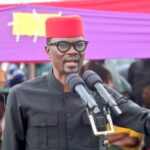
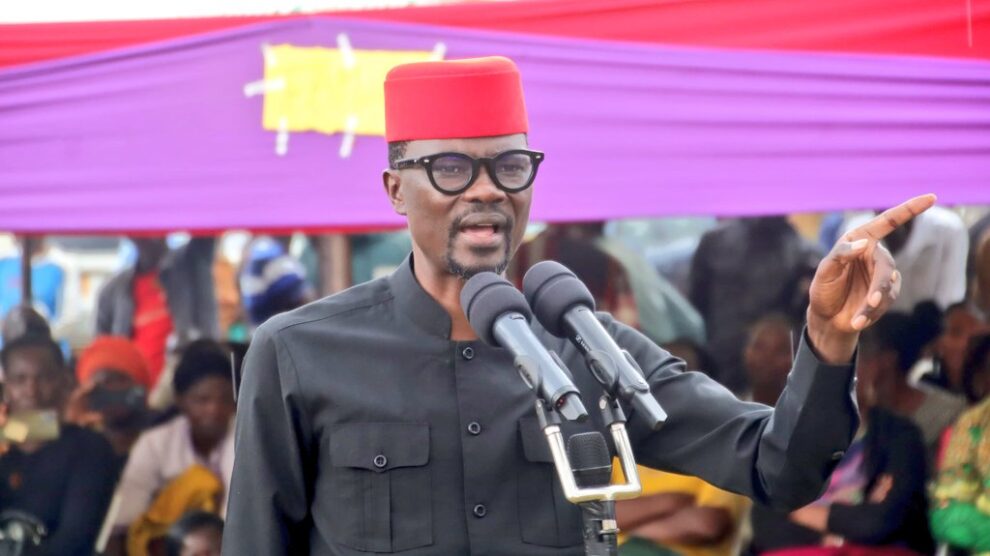
The Jomo Kenyatta University of Agriculture and Technology has now put it in writing that Didmus Wekesa Barasa, the Member of Parliament for Kimilili, was never its student.
In a letter referenced JKU/2/66/049 and dated September 14, 2026, the university’s Registrar of Academic Affairs states plainly that his name does not appear in their alumni records.
The letter also says JKUAT held no graduation in May 2008, and that his purported Bachelor of Electrical and Electronic Engineering certificate is not genuine.
The university did not say the certificate was unverifiable. It did not say the matter was inconclusive. It said the certificate is fake.
What makes this more serious is that the information is not new. JKUAT says the same finding was already communicated to both the Ethics and Anti-Corruption Commission and the Engineers Board of Kenya.
That means the institutions that are supposed to protect the public from this kind of fraud have had the document in their hands.
They have had time to look at it. They have had time to act. So far, the public has not been told what they did with it.
That raises a straightforward question. If the Engineers Board of Kenya had this on record, how does a man sitting in Parliament on the strength of a fabricated engineering degree still carry professional recognition?
Either the board acted on the finding and the public deserves to know what happened, or it sat on a confirmed forgery.
Both possibilities are troubling, but only one of them can be true.
A forged certificate is not a small matter. It is not a technicality. It is fraud used to access elective office and professional standing. When someone uses fake papers to enter a profession, the public trusts a qualification that does not exist. When someone uses fake papers to enter politics, the public trusts a leader whose credentials are built on lies.
The EACC and the EBK owe Kenyans a public accounting of what they did with JKUAT’s finding, and when they did it.
The Commission for University Education also has questions to answer.
Kenyans have watched courts order people to pay millions for using forged papers to get jobs. Yet here is a lawmaker, accused of the same offence on a much bigger stage, and the silence is loud.
The public is not asking for rumours or speculation. It is asking for answers from the very bodies paid to act.
If a university can state in writing that a certificate is fake, then the agencies that received that letter must explain their inaction. Until they do, every Kenyan who played by the rules has a right to feel cheated.
The truth is already in writing. What is missing is accountability.







Add Comment