
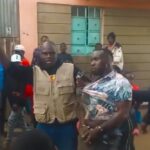




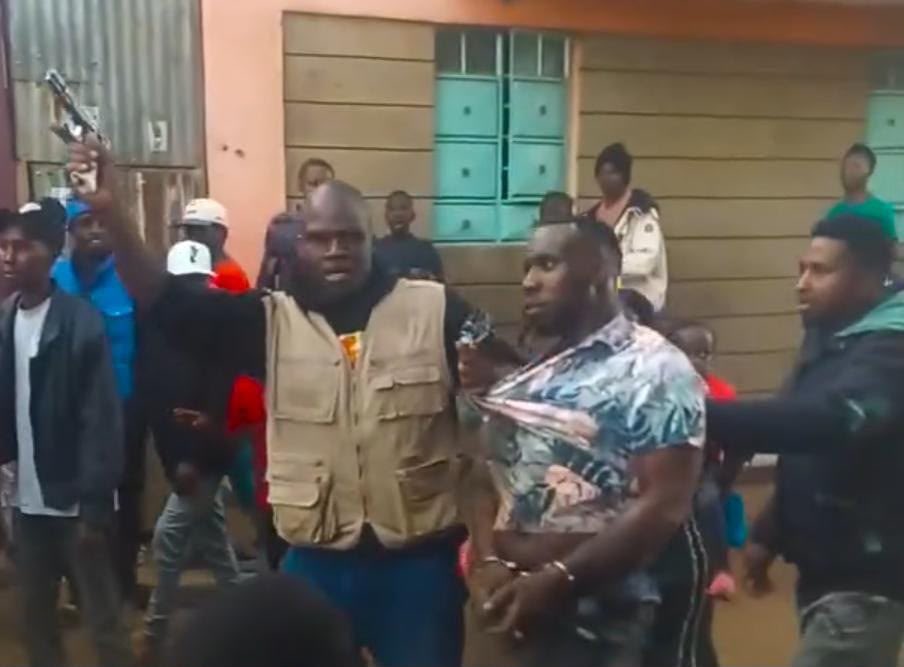

The death of Anthony Ochieng has left many Kenyans demanding clear answers after he was arrested by officers from the Directorate of Criminal Investigations headquarters and Kasarani Police Station and was found dead a short time later.
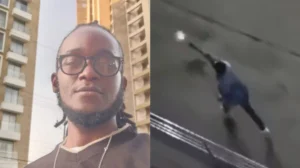
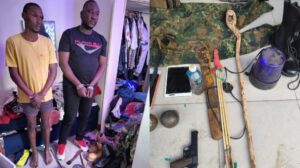
Police have said he died in a road accident that followed a high-speed chase. Yet videos circulating online show him being taken into custody while still alive and appearing unharmed.
That gap between the official account and the images people have seen has driven strong public reaction, and the case is now one of the topics drawing heavy attention on X.
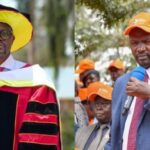
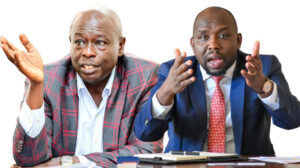
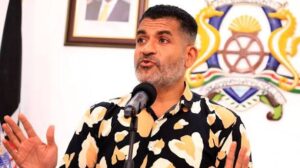
Embakasi East Member of Parliament Babu Owino stated that officers arrested and killed Ochieng and then claimed he died in an accident. He called for the officers involved to be arrested and charged without delay, saying Kenyans deserve justice, accountability and protection of their lives.
Saboti Member of Parliament Caleb Amisi has also raised questions about the police version of events, pointing to the short time between the arrest and the reported death. Other voices on social media and in public discussion have echoed the same concern: how does a person who is taken into custody alive end up dead within hours under circumstances that remain unclear.
Deaths that occur while someone is in the hands of the state always require full and open examination. An independent autopsy is needed so that the cause of death is established by experts who are not part of the same chain of command.
CCTV footage from the places where Ochieng was held, statements from every officer who had contact with him, and a transparent timeline of his movements after the arrest must be made public. The Independent Policing Oversight Authority exists precisely for situations like this. Its involvement, along with any necessary criminal investigation, should proceed without delay or interference.
The pattern of unexplained deaths linked to police operations has been raised many times in Kenya. Each new case adds to the sense that accountability is slow or incomplete. When an official explanation does not match available video evidence, trust erodes further. Families are left without clear information about how their relative died.
The wider public is left wondering whether the next person taken into custody will face the same fate. Justice is not served by quick statements that close the matter.
The claim of a road accident needs to be tested against the video material and the medical findings.
Anything less continues a cycle in which families bury their dead without knowing the truth and citizens lose confidence that the system will protect them.
On X the discussion continues with calls for justice under hashtags linked to Ochieng’s name. People are sharing the available footage, quoting the statements of elected representatives, and insisting that the officers who conducted the arrest be identified and investigated.
That public pressure is a reminder that silence or vague explanations will not settle the matter. The government and the police service have the means to move quickly when they choose to.
They should use the same urgency to produce a full, independent account of what happened to Anthony Ochieng from the moment of his arrest until his death. Only then can the family and the public know whether justice has been done.


Add Comment