






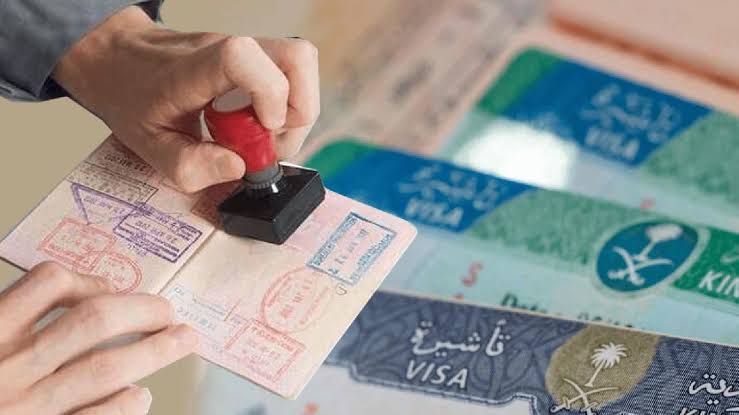

Several Kenyans living and working in Gulf countries could face deportation as governments across the region intensify efforts to enforce immigration and labour laws.
Saudi Arabia, the United Arab Emirates (UAE), Oman, Bahrain and Jordan have all stepped up enforcement against foreigners accused of violating immigration or labour regulations.
According to Business Insider Africa, thousands of foreign nationals have either been deported or ordered to leave their host countries in 2026.
Saudi Arabia has been among the countries carrying out the most extensive operations.
Between August 20 and August 26, authorities deported 14,905 people and arrested another 14,434 over various violations.
Africans were among those arrested for allegedly attempting to enter the country illegally.
Ethiopians accounted for 58 per cent of the 1,450 people arrested in that category.
Earlier in August, Saudi media reported that Ethiopians made up 67 per cent of 1,457 people arrested over similar allegations between August 6 and August 12.
Ugandans have also been affected by the enforcement operations, with at least 118 Ugandans believed to be among 14,970 people arrested between July 16 and July 22.
Kenyans have also been caught up in the wider enforcement campaign. Reports in August indicated that a Kenyan woman was reunited with her daughter after being deported from Saudi Arabia, highlighting the personal impact such actions can have on migrant families.
Other African nationals have faced similar measures.
In June, three Nigerians were reportedly deported to Abuja from Saudi Arabia after allegedly arriving in the country using Ghanaian passports.
The crackdown is not limited to Saudi Arabia. Oman deported 2,944 foreign workers during the first half of 2026 after identifying 11,172 expatriates in labour-related violations.
In Bahrain, the Labour Market Regulatory Authority reported 543 deportations in August following more than 3,100 inspections and enforcement campaigns.
Jordan has taken a different approach by giving undocumented foreign workers until September 30, 2026, to regularise their status.
Those who fail to comply could face deportation as inspection teams continue their operations.
The UAE has also increased enforcement against residency violators. Dubai’s Al Awir Centre handled 11,696 cases during the first half of 2026, according to The National.
For Kenyans living in the Gulf, the developments underline the importance of maintaining valid immigration documents, work permits and residency status.
Those found violating local laws could face arrest, fines, deportation and separation from their families.














Add Comment