



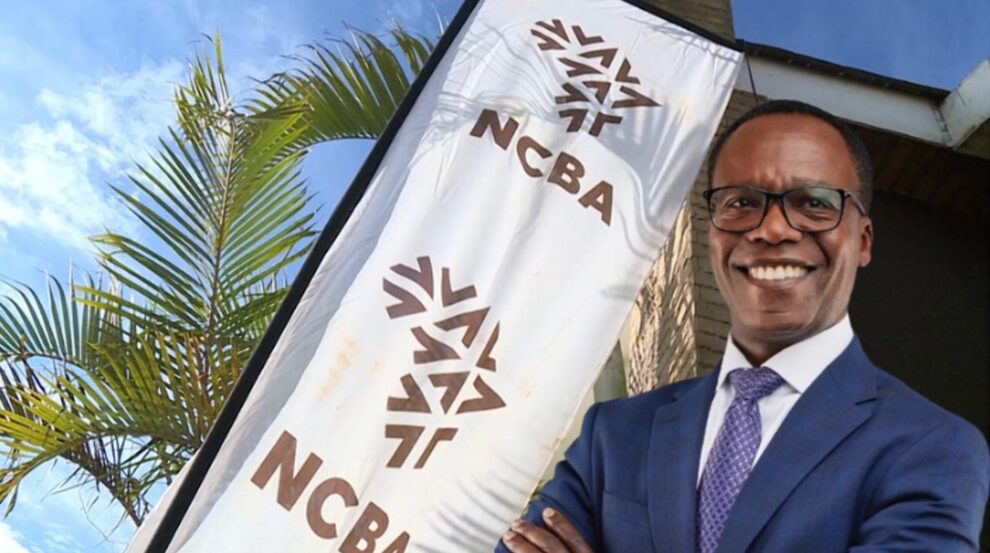

John Gachora, the chief executive of NCBA Bank, has moved swiftly to block criminal proceedings against him. Instead of appearing before a Nairobi magistrate to face charges over alleged failure to report suspicious transactions involving hundreds of millions of shillings, he and other bank bosses obtained High Court orders that stopped the lower court from moving forward.
On Tuesday, Gachora and two fellow chief executives were expected at Milimani court for plea taking.
The Director of Public Prosecutions had approved charges linked to Sh363.4 million connected to First Assurance Investment Ltd. The case also named the banks themselves. Summons had been served.
Yet none of the three CEOs showed up. Their lawyers told the magistrate that High Court conservatory orders obtained on Friday had stayed the criminal case and barred arrest or prosecution.
For Gachora and NCBA, the orders formed part of a broader effort by the accused bank leaders to halt scrutiny. Justice Gregory Mutai certified the applications urgent and issued interim orders restraining the DPP and police from charging or presenting the applicants for plea. Proceedings in the magistrate’s court were stayed pending further hearing of the High Court petition.
The matter returns to the High Court in October.
The charges against Gachora include conspiracy to defraud and failure to report suspicion regarding proceeds of crime. One count alleges that he and First Assurance director Salim Mohammed Busaidy conspired to defraud the company of more than Sh171 million. Separate counts accuse Gachora and NCBA of failing to report unusual transactions on accounts held at the bank, contrary to the Proceeds of Crime and Anti-Money Laundering Act.
The alleged offences span the period from May 2018 to April 2024. Similar charges face the CEOs of KCB and Co-operative Bank over related sums.
These remain allegations. No court has found Gachora or anyone else guilty. The criminal case is still at an early stage. Yet the decision to rush to the High Court and secure orders that stop the magistrate from even taking a plea raises clear questions about accountability.
When senior bank executives face accusations that they failed to flag suspicious movements of large sums, the public expects them to answer in open court. Obtaining temporary shields that pause the process does not erase the underlying claims.
It simply delays the moment of reckoning.
Banks occupy a central place in the financial system. They are required by law to watch for unusual transactions and report them. Failure to do so, undermines the very rules designed to keep dirty money out of the formal economy. Gachora leads one of Kenya’s major lenders. His decision to seek court protection rather than face the charges immediately invites the conclusion that he prefers legal delay over prompt accountability.
The prosecution has asked for time to verify all the High Court orders. The magistrate has granted that request. The case will return shortly for further directions.
Until the High Court decides the petition, the criminal process remains frozen. That outcome was achieved through rapid legal action taken days before the scheduled appearance. For ordinary citizens watching large financial cases, the picture is straightforward: a powerful bank chief has used the courts to stop scrutiny, at least for now. Whether the charges hold will be decided later. The haste to block them is already on the record.











Add Comment