






The United States has imposed sanctions on the International Criminal Court (ICC), with Washington threatening to cripple the institution over its pursuit of cases involving American citizens.
The announcement came hours after South African jurist Navi Pillay, a former ICC judge, won the Nobel Peace Prize.
Pillay, who served as a judge at the court from 2003 to 2008, was recognised for her work promoting human rights and international justice.
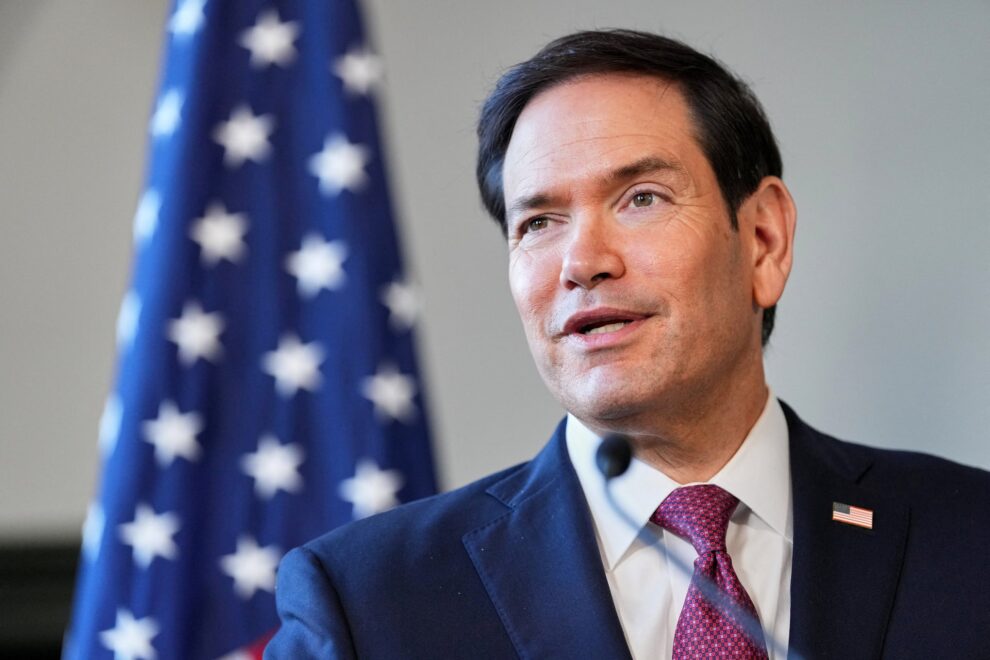
In a statement, US Secretary of State Marco Rubio said the sanctions were necessary to prevent the court from exercising authority over Americans, including military personnel, border agents and political leaders.
The US is not a party to the Rome Statute, which established the court, and has long opposed its jurisdiction over American citizens.
The sanctions will block transactions with the court, according to Rubio, who accused it of seeking powers that could undermine American sovereignty.
He added that the US had delayed taking the latest action in the hope that the court and its member states would address Washington’s objections, but claimed that no meaningful steps had been taken.
“We will ban transactions with this rogue court, cutting off its resources and crippling its ability to operate. Either the ICC will end its threats, or we will end the ICC,” Rubio said.
Further, Rubio warned that Washington could intensify its campaign against the court if diplomatic efforts to resolve the conflict failed, calling on US allies that belong to the ICC to intervene.
In a rejoinder, the ICC condemned the sanctions, saying they threatened its ability to pursue cases involving genocide, crimes against humanity, war crimes and the crime of aggression.
The court, which has 125 member states, said the US measures could disrupt its operations and intimidate those involved in its work.
It described the sanctions as “an assault on the rule of law and on the very foundations of the international legal order”, arguing that political pressure should not prevent it from holding perpetrators of serious crimes accountable.
“The Court will continue to fully discharge its mandate, with independence and impartiality, acting only on the basis of the law and the evidence, for the sake of the countless victims of grave crimes,” ICC President Tomoko Akane said.
Further, the court urged its member states to take concrete steps to protect its operations and ensure it has the resources to continue its work, warning that its ability to deliver justice also depends on the support of the countries that established it.














Add Comment