







Transparency International Kenya has raised concern over what it describes as growing corruption risks in the country’s sports sector, warning that sponsorship deals are increasingly being used as channels for the misuse of funds meant to support athletes and sports development.
The organization says weak governance systems, limited oversight, and a lack of transparency have exposed sponsorship agreements to corruption risks, including kickbacks, conflicts of interest, and the diversion of money intended for sporting activities.
The warning comes at a time when financial accountability within sports institutions is facing increased scrutiny.
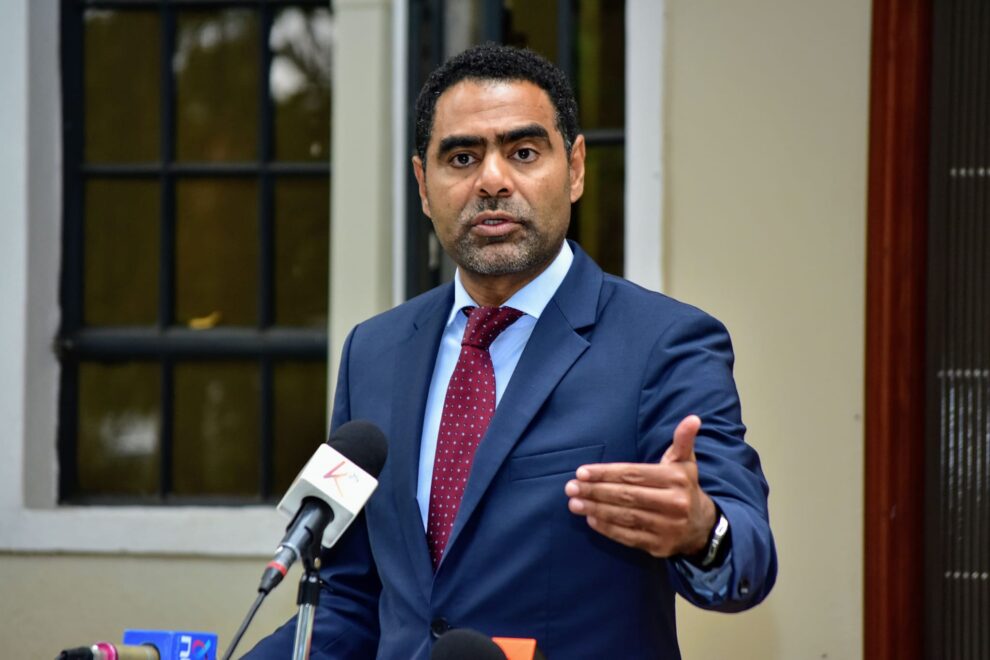
Speaking during a sports governance roundtable, Transparency International Kenya Executive Director Sheila Masinde said corruption is gradually shifting from traditional procurement processes to commercial sponsorship arrangements involving both public and private organizations.
She noted that the trend poses a serious threat to the growth of sports and the welfare of athletes who depend on such funding.
According to Masinde, Kenya scored 30 out of 100 on the Sports Governance Index, falling below the recommended benchmark of 43.
She said the score reflects existing weaknesses in transparency, accountability, and financial management across sports institutions.
Masinde warned that inadequate oversight can create opportunities for officials to misuse their positions for personal gain.
She said some individuals may influence sponsorship decisions, seek kickbacks, or divert resources that should be directed towards athletes, competitions, and sports infrastructure.
To address the problem, Transparency International Kenya is calling for stronger governance measures across sports organizations.
The organization wants sponsorship contracts to be made public, financial reporting standards to be strengthened, and officials involved in negotiating commercial partnerships to undergo thorough due diligence.
The anti-corruption body is also advocating for independent oversight mechanisms within sports federations and organizations. According to Masinde, sponsorship arrangements should be subjected to strict accountability standards similar to those applied in public procurement processes.
The concerns emerge as the Ethics and Anti-Corruption Commission (EACC) continues investigations into an alleged Ksh42 million insurance procurement involving the Football Kenya Federation (FKF) linked to preparations for the African Nations Championship (CHAN).
While EACC clarified that its visit to FKF offices was part of preliminary investigations and not a raid, the matter has intensified debate over financial accountability in sports administration.
Transparency International argues that the ongoing concerns highlight the urgency of governance reforms. The organization maintains that transparent systems and effective oversight are essential to ensure sponsorship funds serve their intended purpose.












Add Comment