





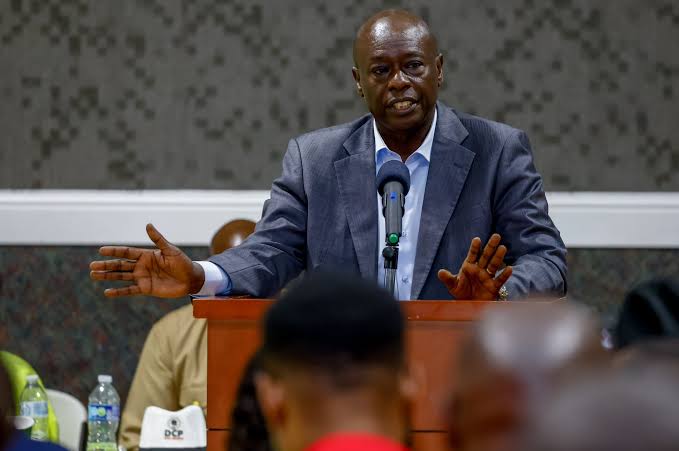

Former Deputy President Rigathi Gachagua has spoken out about serious problems at Kenyatta University Teaching, Referral and Research Hospital, also known as KUTRRH.
He claims that the hospital is being mismanaged by certain officials who are connected to powerful people in the government.
According to Gachagua, the Director of Procurement and Head of Supply Chain Management at the hospital, Dr. Michael Cheruiyot Bongei, is one of the people responsible for running the institution into the ground.
He also pointed to a close relative of First Lady Rachel Ruto as being involved in the same issues. All of this, he says, is happening under the leadership of the hospital’s CEO, Dr. Zeinab Gura.Gachagua made these remarks while addressing Kenyans in US, expressing concern that a major referral hospital meant to serve Kenyans is not functioning the way it should. KUTRRH is supposed to provide specialized medical care, training for health workers, and research.
When management fails, patients suffer the most. Long waiting times, shortages of supplies, and poor service can put lives at risk.
The former deputy president’s comments have drawn attention because they touch on questions of accountability and influence in public institutions. He suggests that personal connections may be allowing certain individuals to operate without proper oversight. In his view, this kind of situation damages the hospital’s ability to deliver quality care and wastes public resources that should go toward helping sick people.
Many Kenyans rely on public hospitals like KUTRRH when they cannot afford private treatment. Allegations of mismanagement therefore raise real worries about fairness and efficiency in the health sector. If procurement and supply chain systems are not working properly, essential medicines and equipment may not reach the wards and operating theatres where they are needed.
Gachagua’s statements also put the spotlight on the role of the hospital’s top leadership. He argues that the CEO should take responsibility for what is happening under her watch. Whether these claims will lead to official investigations or changes at the hospital remains to be seen.
For now, the remarks have added to ongoing public discussion about how public institutions are run and who benefits from them.
The issues raised are not new in Kenya’s public sector, where questions about procurement and political influence often surface.
What makes this case stand out is the specific naming of individuals and the direct link drawn to the First Family.











Add Comment