



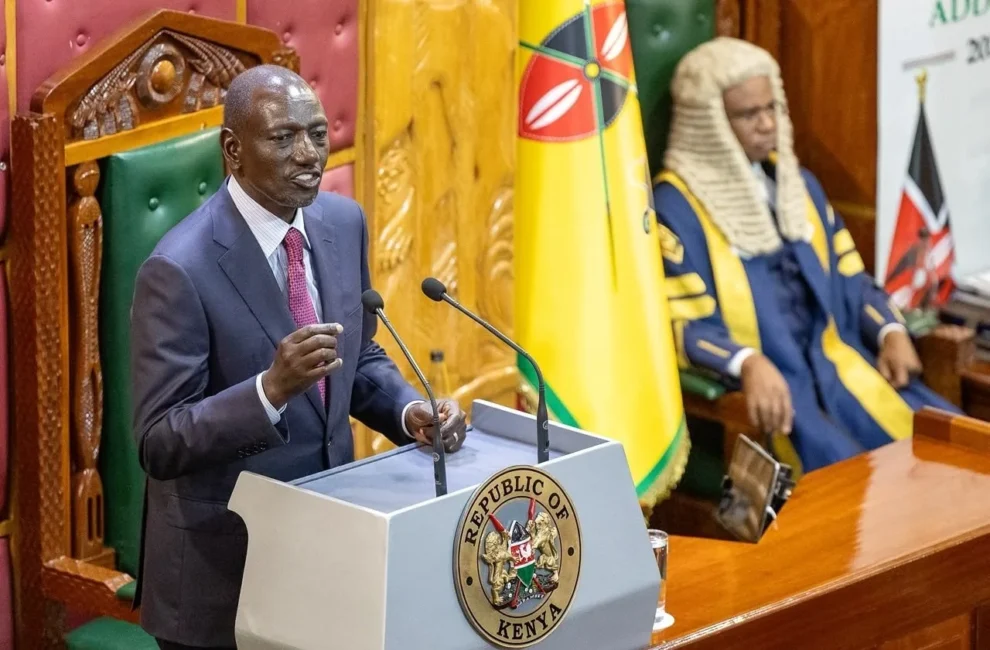

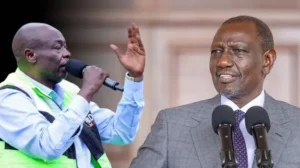
President William Ruto’s fourth State of the Nation Address this week presented a picture of steady progress. In Parliament on November 18, he pointed to stabilised macroeconomic indicators, expanded infrastructure, higher agricultural output, health coverage and efforts to tackle corruption while upholding constitutional rights.
Ruto highlighted a stronger shilling, lower inflation, increased maize production and the registration of millions more Kenyans under the Social Health Authority. He also spoke of teacher recruitment, classroom construction and programmes aimed at young people.
The tone was one of an administration that has steadied the ship after difficult years and is now delivering tangible results under the Bottom-Up Economic Transformation Agenda.
Yet when those assurances are measured against independent assessments, audit findings and documented human rights violations, a more complicated picture emerges.
Civil society groups and international organisations have continued to raise concerns about accountability and rights.
Amnesty International’s recent reporting pointed to pressure on oversight institutions, including the Auditor-General and Controller of Budget, as well as instances of disregard for court orders related to protests.
Freedom House and CIVICUS have maintained cautious ratings on civic space, citing restrictions on assembly and due process. Local human rights monitors have documented cases of police excesses and enforced disappearances in successive annual reports.
On the governance front, questions persist around public procurement, debt management and the effectiveness of anti-corruption measures.
While the administration has introduced digital systems and new legislation intended to improve transparency, independent reviews have noted gaps in implementation and lingering weaknesses in oversight.
High Court decisions have also occasionally constrained executive initiatives, underscoring ongoing tensions between the branches of government.
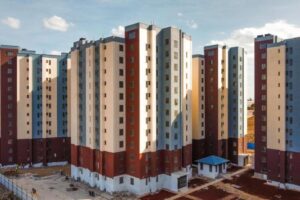
Infrastructure projects and social programmes have advanced in several areas, and economic indicators show improvement compared with 2022.
At the same time, the cost of living, youth unemployment and public trust remain live issues for many Kenyans. Opposition voices and independent analysts argue that the gap between official claims and lived experience has not fully closed.
The State of the Nation Address is a constitutional obligation that allows the president to account for the country’s direction. Ruto used the platform to make a case for continuity and further reforms. Independent scrutiny, however, continues to test the depth and consistency of those claims.




Add Comment