
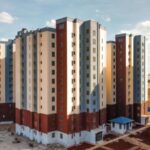



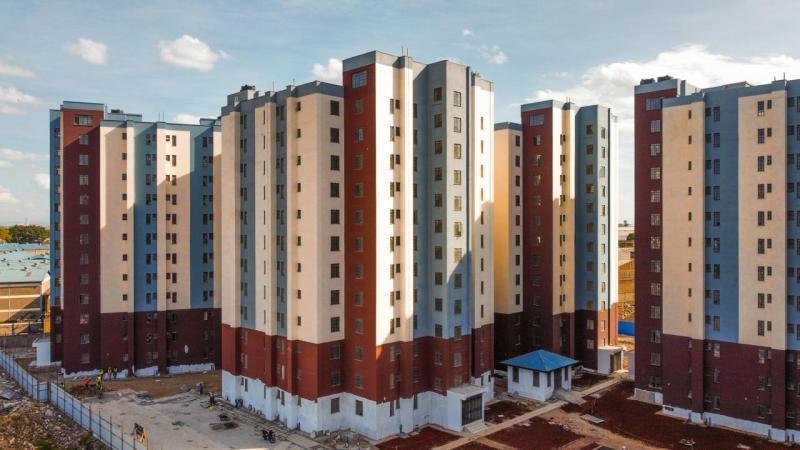

The Senate has called for a detailed look into Kenya’s Affordable Housing Programme, asking for a full audit of how the multibillion-shilling project is being carried out across all 47 counties.
Lawmakers want clear records on construction costs, how public money has been spent, and whether completed homes are going to the people they were meant for.
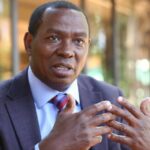
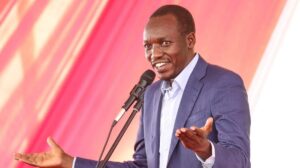
Marsabit Senator Mohammed Chute raised the matter and asked the Senate Housing Committee to dig into the details.
He wants the committee to compare the original estimated costs of individual projects with what has actually been spent.
He also wants to know how many finished units are occupied and what criteria are used to choose the people who get them.
In addition, he has asked for information on whether the County Rural and Urban Affordable Housing Committees are working as they should in every county.
The programme is one of the main projects of President William Ruto’s administration. When it started, the plan was to build 250,000 housing units every year. Part of the money comes from a mandatory 1.5 per cent housing levy taken from workers’ salaries.
Because the funds come from ordinary Kenyans, senators say the public has a right to know exactly how the money is being used and whether the projects are delivering value.
Senate Majority Leader Aaron Cheruiyot has backed the call for an inquiry. He noted that Parliament already passed the laws needed to support the housing plans.
Now, he said, the focus should shift to checking how the executive is putting those plans into action and answering the questions raised by members.
The request comes at a time when questions have already been asked about the programme’s progress and management. Officials have pointed to thousands of units under construction and related projects such as markets and student hostels.
Still, the Senate wants a project-by-project review so that any gaps in spending, allocation or oversight can be identified and addressed.
Chute has also asked the Ministry of Housing to supply an itemised breakdown of approved budgets against the money that has actually been spent so far.
This, he argues, will help show whether the projects are on track and whether the intended beneficiaries are the ones moving into the finished homes.
The audit, if carried out thoroughly, is expected to give a clearer picture of how the housing levy is being managed and whether the programme is meeting its goals of providing affordable homes while creating jobs.
For many Kenyans contributing through the levy, the findings will matter because they will show whether the money deducted from their salaries is producing the results that were promised.






Add Comment