




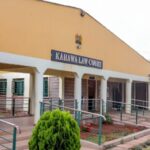



The Ethics and Anti-Corruption Commission (EACC) has recommended the prosecution of five former Kitui County officials following allegations of financial misconduct at the Kitui County Textile Company (KICOTEC).
The textile company, once hailed as a flagship project under the administration of former Governor Charity Ngilu, is now under intense scrutiny for procurement irregularities and missing payment vouchers.
The investigation has also revealed that contracts worth over Ksh 66 million were awarded to a company reportedly owned by Ngilu’s son, raising serious concerns about conflicts of interest during her tenure.
KICOTEC was established in 2018 with the aim of creating jobs and boosting the local economy by producing textiles such as uniforms and masks.
The project gained national attention for its potential to transform Kitui into a manufacturing hub, positioning Ngilu as a progressive leader dedicated to the empowerment of her constituents.
However, the financial mismanagement now being exposed threatens to tarnish the legacy of the project.
The EACC’s investigation has uncovered a series of procurement irregularities at KICOTEC, including the use of single-source procurement methods, which violate public finance management laws.
Significant amounts of money were spent without proper documentation, leading to suspicions that funds may have been misappropriated.
According to the EACC, some of the payment vouchers relating to the Ksh 66 million spent on contracts have gone missing, further complicating the efforts to trace the money flow and determine how the funds were utilized.
One of the most controversial aspects of the case involves the alleged awarding of contracts to a company linked to Governor Ngilu’s son.
This has fueled accusations of nepotism and abuse of power, casting a shadow over the integrity of the procurement processes at KICOTEC.
While Ngilu has not been directly implicated, the involvement of her family in county business dealings has raised questions about transparency and governance during her administration.
The Senate Public Accounts and Investments Committee, which has been investigating the financial dealings of KICOTEC, recently summoned Ngilu and senior officials from the textile company to provide answers.
During the hearings, the former governor defended the project, claiming that KICOTEC had played a crucial role in supporting the local economy, especially during the COVID-19 pandemic, when it produced masks for the county.
However, the EACC’s findings suggest that the project’s financial management was deeply flawed.
The prosecution of the five county officials marks a big step toward accountability, but it also highlights the challenges of managing large public projects in Kenya.
KICOTEC’s mismanagement reflects broader concerns about corruption in county governments, where devolution was intended to bring resources closer to the people, but has often led to the misuse of public funds.
The focus will not only be on the five officials recommended for prosecution but also on the broader systemic issues within Kitui County’s governance.
There is growing public interest in how this investigation will affect the political landscape in the region, particularly as Ngilu remains a key figure in Kenyan politics despite her retirement as governor.
The case also serves as a reminder of the need for stronger oversight and accountability mechanisms in public procurement to prevent similar instances of corruption in the future.
The EACC’s recommendation for prosecution signals a critical moment for Kitui County and KICOTEC, as authorities attempt to unravel the web of financial misconduct and restore public confidence in local governance.
How this case is resolved could set a precedent for handling corruption cases at the county level across Kenya.












Add Comment