




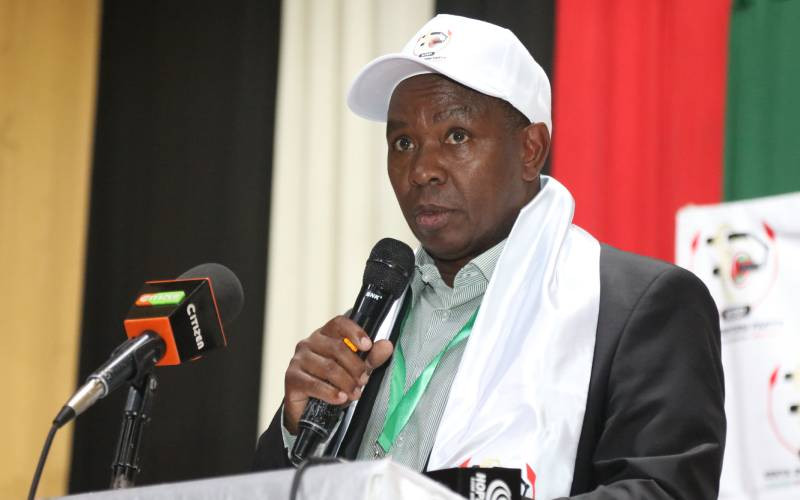

Ndiritu Muriithi, the chairman of the Kenya Revenue Authority (KRA), is facing public criticism following claims that he has failed to pay social media influencers who were contracted to promote his recent political activities.
The influencers claim they have been waiting for approximately two months to receive payments for work they undertook to publicise Muriithi’s takeover of the Kenya Reform Party and his subsequent elevation as the party leader.
Several of them have taken to social media to demand their money, tagging the former Laikipia governor in posts questioning why the outstanding payments have not been settled.
Muriithi assumed leadership of the Kenya Reform Party in late September following an unopposed election during a National Delegates Conference held in Nairobi.
The development marked his return to active politics ahead of the 2027 General Election, where he is positioning himself for another attempt at the Laikipia gubernatorial seat.
He previously served as Laikipia governor between 2017 and 2022 before losing the position in the subsequent election. His decision to take charge of the smaller political party is part of his efforts to rebuild his political influence as he prepares for another contest.
However, the latest allegations have shifted attention to his dealings with the digital creators who claim they helped promote his political comeback.
According to the complaints circulating online, the influencers were engaged to publicise the party leadership transition and generate attention around Muriithi’s political activities.
They maintain that they completed the assigned work based on an agreement that they would receive payment.
One widely circulated social media post described Muriithi as stingy while demanding that he settle the outstanding dues. Other users have questioned how someone who heads the country’s revenue collection agency could allegedly leave people who provided services to him waiting for their agreed payments.
The complaints have also emerged at a time when Muriithi is attempting to present himself as a leader focused on Laikipia’s development priorities.
He has spoken about employment opportunities, economic growth and improved service delivery, while indicating that his political interests will remain centred on the county rather than national coalition arrangements.
The payment dispute has therefore attracted attention beyond the influencers directly involved.
Their complaints raise questions about the arrangements made during the publicity campaign and whether the agreed obligations were honoured after the work was completed.
Social media influencers have become an important part of political communication, particularly for politicians seeking to build visibility and connect with potential supporters.
Their services often involve promoting political events, sharing campaign messages and generating online discussions around candidates and political parties.
Muriithi has not publicly addressed the specific payment allegations. The Kenya Reform Party has also not issued a detailed response to the complaints, leaving the claims circulating online without a public explanation from the individuals or institutions involved.
His position at the KRA has added another dimension to the criticism. The authority is responsible for collecting taxes and enforcing compliance among individuals and businesses across the country.
Consequently, allegations that its chairman has failed to settle payments for services received have attracted comparisons between his public responsibilities and the private payment dispute.
With the 2027 elections approaching, Muriithi faces the task of rebuilding his political support in Laikipia while continuing to serve as KRA chairman.
The influencers are demanding payment for work they say was completed, while the former governor has yet to provide a public account of the matter.
Whether he will address the complaints and settle the disputed payments remains to be seen.






Add Comment