





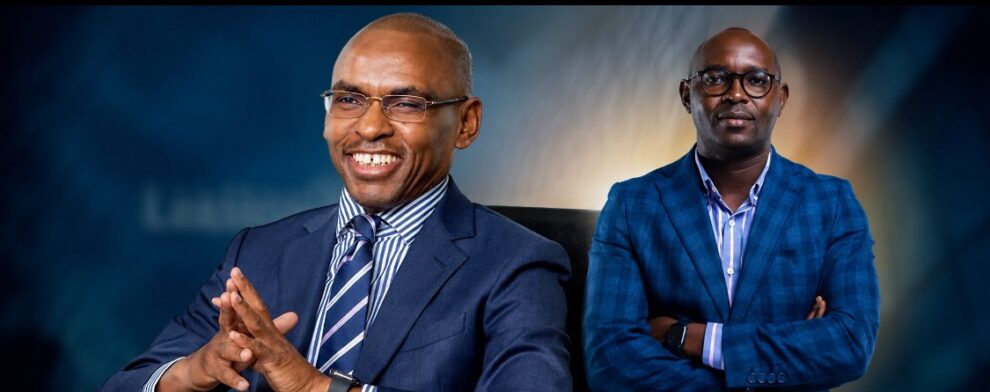

A leaked audit by Kagirison Research has ripped open long-simmering questions about procurement practices at Safaricom PLC, Kenya’s dominant telecommunications company. At the centre of the allegations sits Paul Gathura, the former Senior Manager for Supply Chain Management and a close associate of CEO Peter Ndegwa.
Investigators claim Gathura systematically steered high-value tenders toward a narrow circle of preferred vendors some described as ghost or thinly capitalised entities while freezing out more competitive bidders.
Gathura rose through the ranks, moving from Principal Sourcing Manager to Senior Manager in Supply Chain Management in 2022. That promotion now faces intense scrutiny.
According to the audit, during his tenure he skewed the tender process so that the same select group of companies repeatedly emerged as winners.
These firms had already secured places on Safaricom’s supplier network. Once inside, the audit alleges, the pipeline became a closed loop: favoured vendors collected lucrative contracts while outsiders were shut out of meaningful contention.
The most explosive personnel claim is that Gathura influenced the termination of seven employees in the procurement department.
Investigators describe the departures as a calculated purge designed to silence internal resistance before the favoured-vendor arrangement could be exposed from within.
Employee intimidation, irregular hiring, and unprocedural promotions form part of the same pattern of control, according to the research.Gathura has since left Safaricom.
Kagirison Research claims its sustained pressure contributed to his exit. His departure has not quieted the questions. The audit continues to implicate the broader procurement culture under Ndegwa’s leadership, painting a picture of a system in which competitive bidding was subordinated to relationships and political connections.
Some of the beneficiary companies are linked, investigators say, to individuals with ties to Murang’a County.
Corporate records and data leaks cited in related reporting reveal overlapping ownership, shared secretaries, identical addresses, and layered company structures. In some cases, firms appeared larger or more established on paper than their actual registration status suggested.
One example highlighted elsewhere involves Pavicon Kenya Limited and related entities that projected group-level scale while operating through a more limited registered vehicle. Such layering, critics argue, can allow the same beneficial owners to bid under multiple banners, undercutting genuine competitors and creating the illusion of broad market participation.
Safaricom has not publicly dismantled the core claims in the Kagirison material. The company faces wider scrutiny over governance, past procurement disputes, and internal controls. For a firm that handles enormous volumes of public and private money through its network and M-Pesa platform, the allegations strike at the heart of trust. When the same names keep winning and dissenters disappear from the department charged with guarding the process, the appearance of a rigged pipeline becomes hard to dismiss.
The Kagirison audit does not claim to be a court judgment. It is an investigative dossier that has already forced one senior exit and keeps pressure on the remaining leadership.
Whether regulators, shareholders, or the courts will force a full reckoning remains open. What is no longer open to serious debate is that Safaricom’s tender system, under the watch of Ndegwa and Gathura, has been accused of operating less like an open market and more like a private club.
In an economy where every shilling of public and consumer money counts, that accusation demands answers, not silence.













Add Comment