

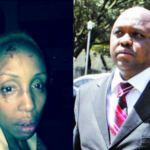
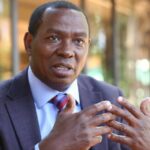

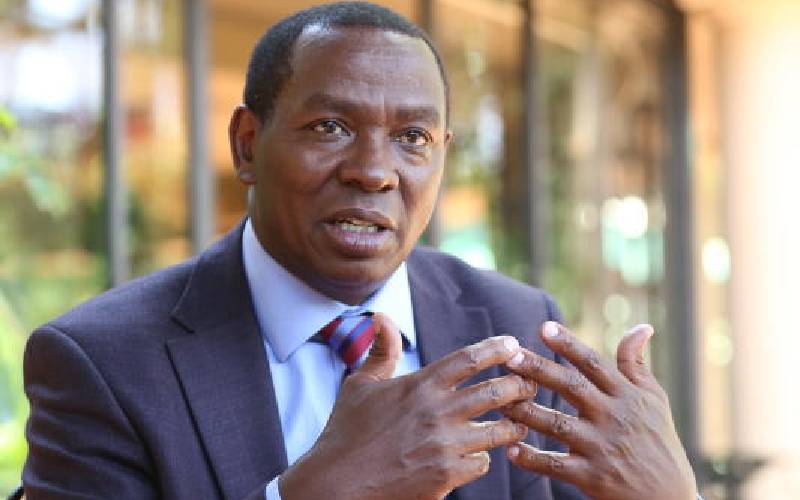

Kenya Revenue Authority (KRA) Board Chairman Ndiritu Muriithi is facing criticism following claims that social media influencers who helped promote his takeover of the Kenya Reform Party have not been paid for their work.
The reports have raised questions about his treatment of young digital creators at a time when he is positioning himself for another political contest in Laikipia County.
Muriithi, who lost the Laikipia gubernatorial election in 2022, recently used social media to strengthen his political comeback after taking over the leadership of the Kenya Reform Party.
Influencers reportedly helped spread the message, increase online engagement and draw attention to his new political position.
However, claims have emerged that some of the creators involved are still waiting for payment.
Their complaints have triggered debate online, with some users questioning why people who helped promote Muriithi’s political image are allegedly being left to pursue their dues after the campaign.
This could become a problem for Muriithi, particularly as he prepares for the 2027 elections.
Young people have become an important part of political campaigns, using their social media platforms to shape public opinion, promote candidates and reach audiences that traditional political rallies may not easily attract.
Some online users have urged Muriithi to settle the alleged outstanding payments, arguing that digital creators should not be expected to provide services without receiving the agreed compensation.
The controversy has also drawn attention to the message Muriithi delivered during the Kenya Reform Party event at Ufungamano House. He presented a vision centred on industrial growth, mass production, value addition and wealth creation.
Those promises now risk being overshadowed by the payment allegations, which have placed his dealings with the influencers under public scrutiny.
For a politician seeking to return to the governor’s office, questions about unpaid work can undermine efforts to build trust. Voters may want to know whether a candidate who speaks about creating opportunities and improving livelihoods can demonstrate the same commitment when dealing with the people who support his political activities.
His silence leaves important questions unanswered, including whether there were formal agreements with the influencers, how much money is allegedly outstanding and when the payments were expected to be made.
With the 2027 political contest approaching, the matter could become an additional test of Muriithi’s public image. His position as KRA Board Chairman also places him under greater scrutiny, given the authority’s responsibility for collecting taxes and enforcing compliance.









Add Comment