








A federal investigation into widespread abuse of U.S. student financial aid programs has drawn attention to alleged cross-border networks involving Kenyan nationals, according to court records and statements from American prosecutors.
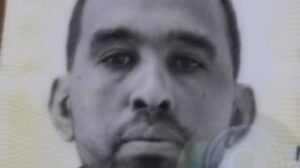
In mid-October 2026, a grand jury in Nebraska returned an indictment against Francis Mogambi, a Kenyan citizen who entered the United States after winning a Diversity Visa lottery in May 2024.
The charges include five counts of theft of government money and five counts of aggravated identity theft. Prosecutors claim that between November 2025 and May 2026, Mogambi and associates in Kenya obtained personal information belonging to American citizens and used those identities to enroll non-existent students at U.S. colleges.
Once enrolled, the fictitious accounts allegedly accessed federal student aid funds.
The case forms part of a larger effort that U.S. authorities have labeled Operation Ghostbusters. Investigators describe a pattern in which stolen identities sometimes purchased online for a few dollars were used to create student profiles. In some instances, the accounts remained active long enough for coursework to be completed, allowing aid payments to continue across multiple semesters.
Assistant Attorney General Colin M. McDonald noted that the objective appeared to be keeping the artificial enrollments active for as long as possible.Court filings state that Mogambi allegedly retained roughly 30 percent of the funds linked to the accounts he handled and transferred the rest to contacts in Kenya.
The intended loss tied specifically to his case is estimated at about $20,000. Authorities also allege he received weekly payments of $2,000 and attempted to recruit at least one additional participant by describing a need for a business structure that could process larger checks.
Mogambi was arrested after the indictment and remains in custody. He has not been convicted, and the allegations remain unproven in court.
Beyond the Nebraska case, the investigation has identified a much broader set of activity. Officials reported locating more than 830,000 potentially fraudulent Federal Student Aid identification numbers associated with nearly $130 million in aid during September and October 2026.
That figure reflects accounts flagged as suspicious rather than confirmed losses.
Five indictments have been issued so far, with roughly 40 additional investigations still open. Hundreds of Americans whose personal data was allegedly misused face possible credit damage and unexpected student-loan obligations for education they never received.
Money from the alleged schemes frequently moved overseas. In September, U.S. investigators traveled to Kenya to coordinate with local authorities on possible extraditions, prosecutions, and asset recovery.
One result was the seizure of more than $750,000 from a cryptocurrency account tied to a Kenyan national connected to the wider inquiry.
That seizure was separate from Mogambi’s case and was described by the Justice Department as the first of its kind involving Kenyan accounts in this context.
Additional cases illustrate similar patterns. In Virginia, prosecutors allege a Kenyan national received more than 700 fraudulent student-aid refunds totaling approximately $1.44 million, with at least $1.3 million later moved through accounts in both countries.
In New Jersey, three individuals face charges of acting as money mules in a scheme involving more than $1 million; authorities claim portions of the funds were retained while the balance was sent to associates in Kenya linked to a purported safari company.U.S. officials have stated they intend to continue dismantling the networks and recovering funds where possible.
For Kenya, the appearance of nationals and local accounts in the money trail has prompted closer scrutiny of financial flows connected to international fraud cases.
The investigation remains active, with further charges and seizures possible as authorities examine how stolen identities, digital tools, and cross-border transfers combined to exploit a program intended to support genuine students.












Add Comment