





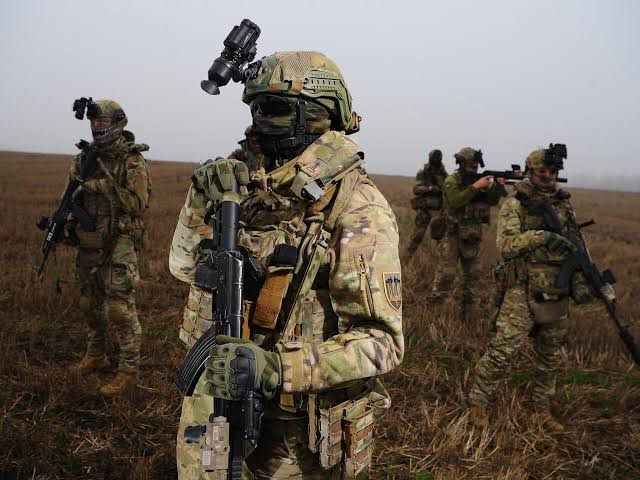

Kenya has recorded the highest number of nationals recruited into Russia’s military among African countries, according to an investigation that has raised questions about the country’s foreign employment systems.
A report by Journalists for Justice, titled “The Death Contract: How Russia Recruits Africans to Fight and Die in Ukraine”, documented 841 Kenyan recruits between May 2025 and February 2026. Egypt followed with 407, Cameroon with 383, Ghana with 337, Nigeria with 214 and Uganda with 108. Across the continent, recruitment agencies and middlemen are estimated to have collected more than USD 50 million, or about Sh6.5 billion, from those who signed up.
One Kenyan firm, Global Face Human Resources Limited, was linked to 500 of the documented Kenyan cases.
The company, owned by Festus Arasa Omwamba and registered in February 2024 with offices on Koinange Street in Nairobi, was not accredited by the National Employment Authority. Investigators said it presented itself as connected to the government’s Kazi Majuu programme, which promotes overseas jobs for unemployed Kenyans.Parliamentary records from February 2026 show that Majority Leader Kimani Ichung’wah presented intelligence findings on the matter.
Recruiters allegedly offered monthly salaries of around Sh350,000, signing bonuses of Sh900,000 to Sh1.2 million, and the prospect of Russian citizenship.
Some applicants were told they would work as security guards. Contracts involved Global Face and an employment support agency in Moscow.
Recruits travelled via Istanbul and Abu Dhabi, often on tourist visas. When scrutiny increased at Jomo Kenyatta International Airport, routes shifted through Uganda, the Democratic Republic of Congo and South Africa.
The same parliamentary briefing referred to more than 1,000 Kenyans already having left for the conflict by February 2026. It also raised allegations of collusion involving individuals in immigration, the Directorate of Criminal Investigations, the Anti-Narcotics Unit and the National Employment Authority, as well as possible links to personnel connected to the Russian Embassy in Nairobi and the Kenyan Embassy in Moscow.
These remain allegations presented in an intelligence briefing.Financial details in the Journalists for Justice report indicate Global Face may have generated more than USD 8.9 million, or about Sh1.16 billion, from the 500 recruits linked to it.
Other Kenyan agencies and intermediaries are said to have collected additional fees exceeding USD 18 million. Informal payments to brokers in Kenya reportedly ranged from Sh50,000 to Sh200,000 per person.
Recruits were promised signing bonuses of about 1.9 million roubles (roughly Sh3.04 million), but agencies and handlers allegedly deducted between 1 million and 1.4 million roubles from their accounts within 35 days, leaving them with around 900,000 roubles.
The human cost has been significant. The investigation identified at least 502 African recruits from 29 countries killed by the end of June 2026. Kenya accounted for 76 of those deaths.
A survey of families of 57 Kenyan recruits found an average of 44 days between arrival in Russia and death, hospitalisation or disappearance.
Some received as little as three days of training before deployment, compared with up to six weeks reported for earlier groups in 2023. Recruitment expanded beyond former security personnel to include civilians with little or no military background.
Returnees and prisoners of war interviewed said many had been misled about the nature of the work.In response, the government has taken several steps.
Prosecutors charged Omwamba in February 2026 with recruiting 22 Kenyans through deception; some of those men were rescued in Athi River before travel, while others returned injured.
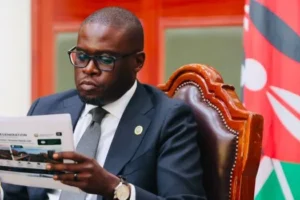
The case remains before the courts. Prime Cabinet Secretary Musalia Mudavadi travelled to Moscow in March 2026 and secured a commitment from Russian authorities to stop recruiting Kenyan nationals through the Ministry of Defence.
Kenya was later placed on a Russian stop list. By October 2026, Mudavadi reported 354 Kenyans connected to the conflict in official records, including those on the front lines, missing, dead, hospitalised or repatriated. Sixty-two had been brought home and five were prisoners of war in Ukraine.
The government noted difficulties in identifying and repatriating remains and proposed a welfare fund for returnees and families.
Officials have also pointed to action against rogue agencies, though the Journalists for Justice review of the national employment register found 569 agencies still registered and 786 with expired licences.
The government has stressed that some recruitment occurred privately and without its knowledge, and has urged jobseekers to verify agencies through the National Employment Authority.
The findings highlight the gap between the promise of overseas employment under programmes such as Kazi Majuu and the risks faced by those seeking work abroad. Different tallies 841 from the investigation, more than 1,000 in the earlier parliamentary briefing, and 354 in the October government update reflect varying dates, sources and verification processes.










Add Comment