





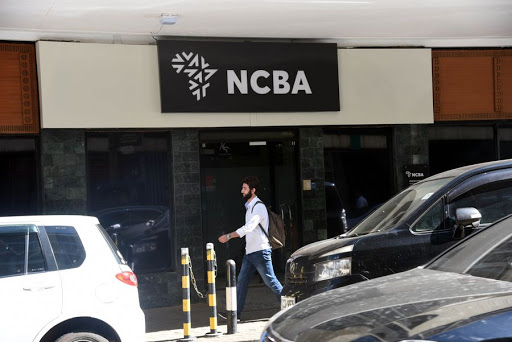

Many Kenyans are once again questioning the conduct of NCBA Bank after the lender announced the auction of dozens of repossessed vehicles belonging to customers who failed to keep up with their loan repayments.
The auction list includes high-end models such as BMWs, Toyota Land Cruisers, Toyota Prados, Mercedes-Benz vehicles and several other cars with reserve prices starting from about KSh500,000.
While the auction follows the bank’s recovery process, the move has renewed debate about how financial institutions treat struggling borrowers during difficult economic times.
For many people, losing a vehicle is more than losing property. It can mean losing a source of income, a family asset or the only reliable means of transport. Many borrowers take vehicle loans hoping to improve their businesses or support their families. However, when they face unexpected challenges such as job losses, medical emergencies or delayed business payments, keeping up with monthly loan instalments becomes difficult.
Critics argue that banks often move quickly to recover their money instead of giving borrowers more time to reorganize their finances. They say reminder notices, penalties and repossession can come before customers have a realistic chance to recover from temporary financial setbacks. Once a vehicle is repossessed, it is usually advertised for public auction, leaving borrowers not only with financial losses but also public embarrassment.
The latest auction by NCBA has attracted even more attention because the bank is associated with the influential Kenyatta family. Some critics claim the bank applies strict rules to ordinary customers while questions have previously been raised in public over tax-related matters involving the institution.
They argue that borrowers receive little flexibility even when facing genuine hardship, while powerful institutions appear to receive more favourable treatment in other areas.










Add Comment