







The promise of universal healthcare in Kenya is facing a hidden threat, and it is not just the usual bureaucratic challenges. At the center of this storm is a powerful figure who profited immensely from the old, broken system.
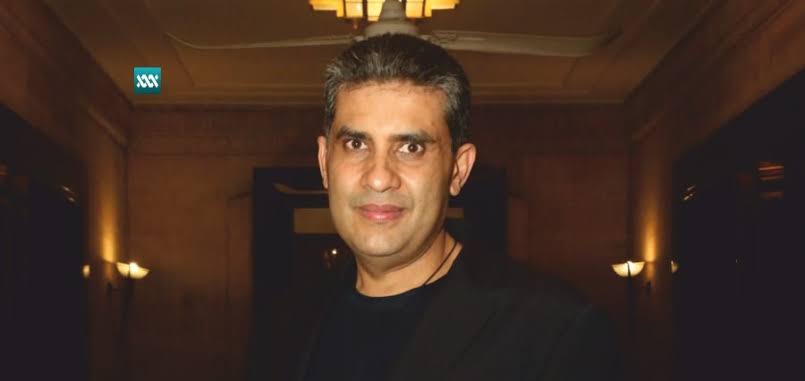
Jayesh Umesh Saini, the billionaire owner of Nairobi West Hospital, Bliss Healthcare, and a key figure in the medical insurance sector, stands accused of orchestrating a campaign to cripple the new Social Health Authority (SHA).
His alleged aim is simple: to ensure the government’s new universal health coverage plan fails so he can reclaim a monopoly that for years funnelled billions from public servants directly into his network.
Saini built his sprawling healthcare empire on the backs of hard-working Kenyans. For over nine years, his associates at Minet Kenya collected approximately 161 billion shillings in premiums from teachers alone. Police officers and civil servants were also forced into arrangements that enriched this network.
Yet, what did the public get in return for these massive deductions? The answer is a long list of failures, suffering, and indignity.
Teachers were routinely turned away from hospitals because their insurance had not paid the bills. Surgeries were postponed indefinitely.
Cancer patients were told to go home and fundraise for themselves. Mothers in labour were asked for cash upfront, despite having paid their premiums faithfully.
The system was so corrupt that hospitals themselves were forced to threaten to stop treating civil servants.
In November 2023, Saini’s own flagship facility, Nairobi West Hospital, announced it would stop treating police and prison officers over 576.8 million shillings in unpaid arrears, proving that even the money that was meant to flow to healthcare was being mismanaged.
This was the reality of the old monopoly, a system that treated public servants as cash cows while delivering pain and debt to their families.
When the government finally bowed to public pressure and moved to replace this failing system with the SHA, it represented a direct threat to Saini’s control.
The new scheme promised transparency and a break from the old cartels. It is at this point that the allegations of sabotage began. Whispers in political and media circles point to a coordinated effort to flood the public space with negative stories about the SHA.
Glitches are magnified, and every delay is framed as proof of inevitable collapse. This narrative conveniently serves the interests of those who lost their billion-shilling monopoly.
The most telling sign of this power shift is Saini’s reported loss of access to State House. During the early days of the current administration, he was a frequent and welcome visitor, a key partner in healthcare delivery.
Today, credible leaks confirm he is barred from the building, a quiet but powerful signal that the regime has distanced itself from him.
The scandals have piled up, and the political cost of association has become too high. Behind the politics and the billions of shillings is a human cost that cannot be ignored.
A teacher in rural Kenya cannot get chemotherapy because the old administrator has not paid. A police officer’s child is denied urgent surgery.
These are the people who funded Saini’s empire, and they are the ones who will suffer if the SHA is allowed to fail. Kenya deserves better than a return to the old ways where profit was placed above the health and dignity of millions.
The attempt to sabotage the new health authority is not just about business; it is about the future of healthcare for every Kenyan public servant.
They have already paid the price in pain and lost loved ones. They deserve a system that actually works, free from the grip of a single individual determined to hold the nation’s healthcare hostage for personal gain.














Add Comment