






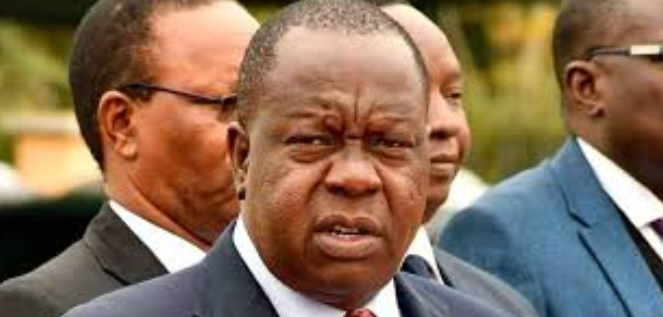

As a key figure in government, Matiang’i’s actions and alleged inactions in this crisis have drawn sharp criticism, with accusations of abuse of office and protecting powerful individuals behind the contraband operations.
The controversy emerged after sugar shipments were allowed into Kenya under a duty-free window initiated by the National Treasury in 2017.
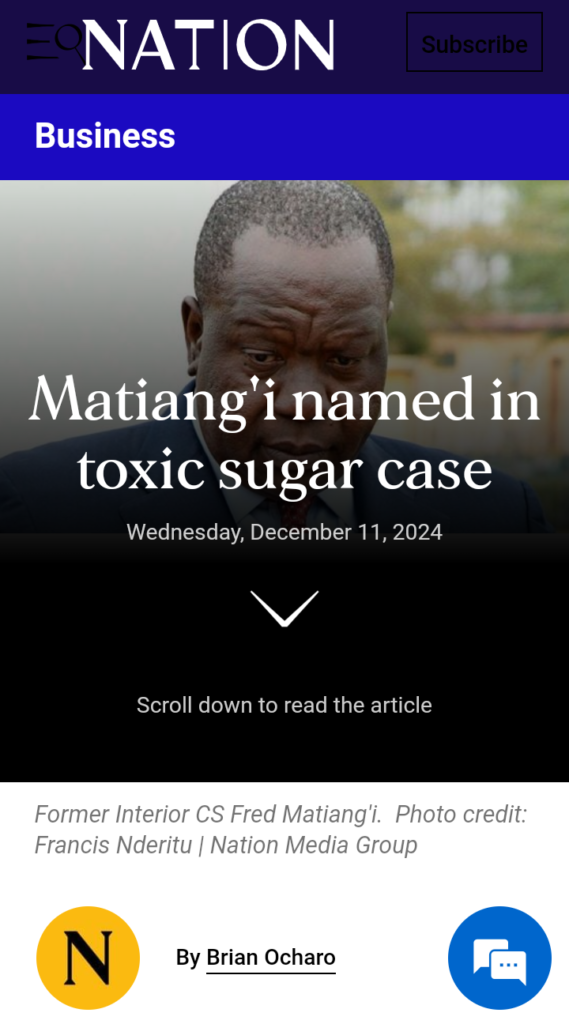
This move, ostensibly meant to address sugar shortages, turned into a loophole exploited by unscrupulous importers.
It is alleged that Matiang’i, then the Interior Cabinet Secretary, failed to crack down on the masterminds despite being aware of their identities.
Critics such as Aden Duale publicly accused him of shielding influential sugar barons responsible for flooding the market with the toxic product.
Over a million bags of this sugar were stored in various warehouses, including in Nairobi and Mombasa, while consumers unknowingly consumed harmful chemicals through repackaged sugar labeled as local brands.
Matiang’i’s conduct during the investigation raised further suspicion.
He reportedly avoided key parliamentary sessions meant to address the issue, leading lawmakers to question his commitment to uncovering the truth.
Instead of targeting the key players in the sugar racket, enforcement efforts under his watch were criticized for being superficial and failing to dismantle the network of powerful individuals behind the imports.
The sugar barons operated with impunity, benefitting from weak oversight and alleged collusion by officials in critical agencies.
Evidence from the Directorate of Criminal Investigations revealed shocking details, such as the use of fake Kenya Bureau of Standards (KEBS) stickers and repackaging operations to disguise the contaminated sugar as safe.
This negligence in oversight has fueled claims that Matiang’i abused his position to protect the interests of a few while endangering the health of millions.
The fact that prominent political and business figures were linked to the contraband sugar only deepened suspicions about his role in perpetuating impunity.
The toxic sugar case remains a dark stain on Matiang’i’s record. His perceived failure to act decisively against the culprits has tarnished his reputation as a leader.
Many believe that his office was complicit in allowing this scandal to unfold, prioritizing political connections over public safety.
This scandal serves as a grim reminder of the cost of weak governance and unchecked power in Kenya.














Add Comment