






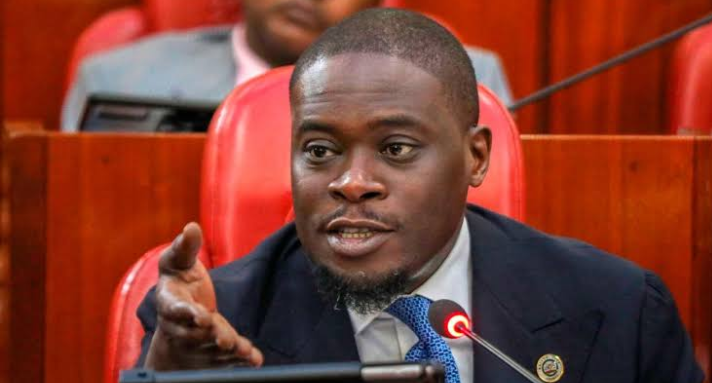

The theft of county resources has emerged as a major issue in Nairobi, with residents and leaders increasingly criticizing the mismanagement of public funds and resources under Governor Johnson Sakaja’s leadership.
The city’s underperformance in various key areas has led to heightened discontent, particularly regarding stalled development projects, misappropriated public land, and allegations of financial mismanagement.
These problems have been compounded by what many see as misguided public relations efforts that fail to address the underlying issues, deepening the frustrations of Nairobi’s residents and their representatives.
One of the most glaring examples of the theft of county resources can be seen in the alarming number of stalled projects in Nairobi, particularly in the health sector.
An Auditor-General’s report from the 2022-2023 fiscal year revealed that over KSh 1.36 billion was allocated to various health infrastructure projects, including hospitals and dispensaries.
However, many of these projects remain incomplete, with contractors abandoning the sites or failing to meet their obligations.
For instance, a contractor hired for KSh 869 million to build three hospitals left all of them unfinished, despite partial payments being made.
This lack of accountability raises questions about the role of public officials and contractors in misappropriating public funds.
Equally concerning are the reports of public land theft, with numerous allegations of county officials colluding with private developers to grab land meant for public use.
One such case involves the Kileleshwa development scandal, where a developer allegedly used public land as collateral for a loan to build a private mall.
This kind of land theft not only robs the public of vital resources but also points to a pattern of corruption within the county government.
The controversy surrounding the agreement between the county and Jabavu Village Ltd is another example, where the revenue-sharing arrangement that was initially designed to benefit the county was altered to favor the developer, leaving the public with little to show for its land.
Moreover, there are concerns about the mismanagement of revenue collection within the city.
Sites like Riverside have been flagged for unaccounted funds, with no clarity on the individuals responsible for overseeing the collections.
This lack of transparency in revenue collection fuels suspicions of financial misappropriation, contributing to the broader concerns about governance and accountability in the city.
It is clear that these systemic issues are not merely administrative oversights but are indicative of a much deeper, structural problem in Nairobi’s leadership.
At the center of these issues is a lack of political will and accountability from Governor Sakaja’s administration.
Ward representatives like Robert Alai and Deputy Minority Leader Waithera Chege have raised their voices, demanding action from the governor.
Alai has criticized Sakaja’s “Dishi na County” program, which was intended to provide subsidized meals to the underprivileged but has instead been dismissed by many as a superficial PR stunt.
Alai argues that the lack of oversight on such initiatives distracts from the real issues facing the city, including the theft of county resources and the stalling of critical projects.
The ongoing frustrations from MCAs reflect a deeper sentiment that Sakaja’s administration is more focused on publicity and political maneuvering than on addressing the real concerns of Nairobi’s residents.
With widespread allegations of resource theft, stalled projects, and mismanagement of public funds, the need for transparent governance in Nairobi has never been more urgent.
The city’s residents, along with their representatives, are calling for an end to the corruption that has crippled the county’s development.
The ongoing lack of accountability from the leadership has eroded public trust, and many are now demanding immediate reforms to ensure that Nairobi’s resources are used for the benefit of its people rather than being squandered or stolen by those in power.












Add Comment