





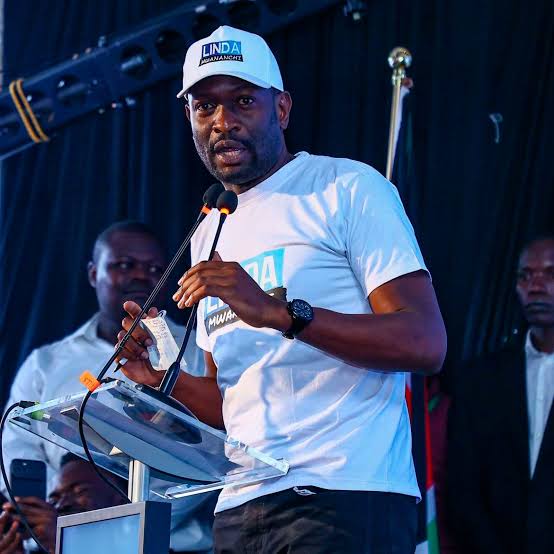

The decision by the Linda Mwananchi Movement to exclude journalists from its National Delegates Conference (NDC) has raised questions about transparency, members’ participation and the process through which its proposed leaders will take office.
The conference, scheduled for Friday, November 13, 2026, is expected to formalise the transition from The Equitable Party (TEP) to the Linda Mwananchi Movement and approve key changes to the party’s leadership and structure.
However, the decision to hold the gathering behind closed doors has attracted attention, particularly because some party members have questioned whether the proposed leadership was arrived at through a democratic process involving registered members.
Head of Communication Pauline Njoroge confirmed that journalists would not be allowed into the conference, effectively limiting independent media coverage of proceedings that are expected to shape the party’s future.
The development has also brought renewed attention to concerns about how delegates were selected, whether grassroots members had an opportunity to participate in leadership decisions and the extent to which delegates will be allowed to influence the resolutions presented before them.
Dispute Over Delegate Selection and Grassroots Elections
The movement has indicated that attendance at the NDC will be restricted to designated delegates drawn from TEP members who were registered by the time the conference notice was published.
Each county has reportedly been allocated a specific number of delegates based on its membership.
However, questions have emerged over the process used to identify and select those representatives.
A delegate system is intended to allow members from different parts of the country to participate in major party decisions through representatives.
Its legitimacy, however, depends on whether those representatives were selected through procedures that members understand and accept.
The selection process is among the issues raised by party member Emmanuel Willyngtone Khamala, who filed a complaint before the Political Parties Disputes Tribunal.
Khamala argues that the party did not establish its branch and county structures through grassroots elections, raising questions about the authority of the proposed delegates to make decisions on behalf of registered members.
He has also challenged the appointment of senior party officials, arguing that members were not given adequate opportunities to participate in choosing the leadership.
The dispute places the proposed conference at the centre of an internal disagreement over how the party’s leadership should be established and the role ordinary members should play in determining its direction.
Although an application seeking to stop the November 13 conference was dismissed, the decision allowed the meeting to proceed without necessarily settling all the questions surrounding the disputed appointments and delegate-selection process.
The concerns raised by Khamala remain claims before the relevant dispute-resolution process and should not be treated as established findings.
Sifuna’s Proposed Leadership Structure
The leadership question has become particularly significant because the movement had already presented a proposed team during its launch on October 30.
Nairobi Senator Edwin Sifuna was unveiled as the proposed party leader, with former Meru Governor Kawira Mwangaza, former Law Society of Kenya president Faith Odhiambo and Mavoko MP Patrick Makau presented as proposed deputy leaders.
Vihiga Senator Godfrey Osotsi was named as the proposed national chairperson, while Suba South MP Caroli Omondi was introduced as secretary-general.
Pauline Njoroge was also named as Omondi’s proposed deputy.Trans Nzoia Governor George Natembeya was presented as the head of the movement’s presidential campaign.
The proposed leadership arrangement is expected to feature in the resolutions considered during the NDC.
However, the public announcement of the leadership team has raised questions about the extent of authority delegates will have when considering the nominations.
The key issue is whether delegates will have an opportunity to challenge the proposed appointments, introduce alternative candidates or vote against individuals presented for the different positions.
It is also unclear whether the conference will allow secret ballots or other voting procedures that would give delegates an opportunity to express their positions freely.
While a delegates’ conference can legitimately approve leadership proposals, the process depends on whether representatives have the freedom to consider different options rather than simply endorse decisions already presented to them.
Media Exclusion Raises Transparency Questions
The decision to keep journalists away from the conference has added another dimension to the concerns surrounding the meeting.
The organisers have not publicly opened the proceedings to independent media coverage, despite the importance of the decisions expected to be made.
Although political parties can hold private internal discussions, the exclusion of journalists means the public will have limited access to independent accounts of how the conference handles the disputed leadership arrangements.
The situation is further complicated by the fact that the conference venue has not been publicly disclosed.With questions already being raised about delegate selection and the appointment of senior officials, the absence of media coverage could make it difficult for party members and the public to independently establish how the resolutions were reached.
The organisers could address some of these concerns by publishing the criteria used to select delegates, county allocations, the conference agenda and the procedures that will govern voting.
Making the final resolutions publicly available would also provide members with an opportunity to understand the decisions taken during the meeting.
Internal Democracy Under Examination
The developments have placed the movement’s internal decision-making process under attention, particularly because its name and public messaging are centred on representing ordinary Kenyans.For registered members, the central concern is whether they have a meaningful role in shaping the party beyond attending meetings and supporting decisions made by senior officials.
The dispute filed by Khamala has brought this question into the formal political party dispute-resolution process, with concerns touching on grassroots elections, delegate representation and the appointment of officials.
The November 13 conference therefore carries significance beyond the proposed change of name from The Equitable Party to Linda Mwananchi Movement.
It is also expected to determine the party’s leadership structure and establish the procedures through which its officials will operate.Sifuna and the movement’s organisers face questions about whether delegates will be allowed to freely debate the proposed leadership, challenge nominations and participate in genuine voting.
The exclusion of journalists does not by itself establish that the conference will be manipulated or that delegates will be denied their voting rights. However, it limits independent scrutiny of a process already facing questions from within the party.
Ultimately, the credibility of the conference will depend on how the organisers handle the disputed issues and whether registered members can demonstrate that their representatives had a genuine opportunity to influence the decisions made in their name.









Add Comment