






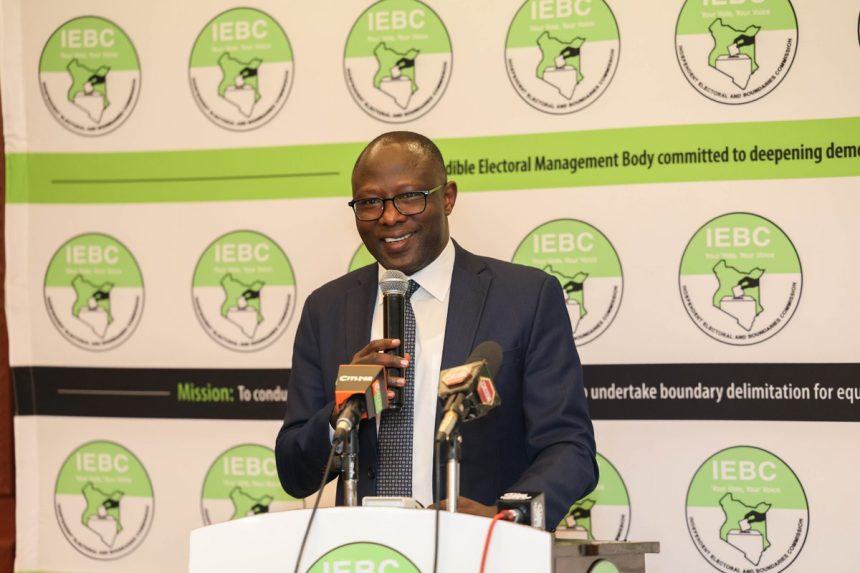

The Independent Electoral and Boundaries Commission has laid bare a series of deep-rooted problems that could disrupt preparations for the 2027 general election.
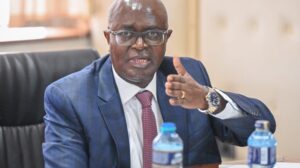
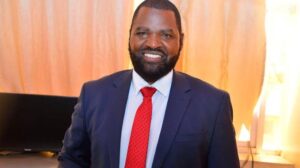
In its annual report presented to Parliament, IEBC chairman Erastus Ethekon and acting chief executive Ruth Kulundu outlined the difficulties the agency must overcome in the coming months.
Public trust remains one of the biggest obstacles. The commission said its main focus throughout the year was trying to rebuild confidence among Kenyans after years of scepticism.
Past elections have been marked by disputes, internal fights within the commission and questions over large contracts.
In the last presidential race, commissioners were openly divided, with some supporting the results and others rejecting them.
The current leadership has also faced its own controversies, including the departure of the former chief executive, disagreements over leadership and disputes around election technology contracts.
Money problems sit at the centre of the challenges.
Outstanding bills from earlier elections have damaged the confidence of suppliers.
The commission warned that this could make it harder to obtain the materials and services needed for the next polls on time.
Delayed releases of funds from the National Treasury have also slowed down planned work.
For the year under review, the IEBC received about Sh12.98 billion for day-to-day spending and only Sh30 million for development projects.
It managed to spend most of the recurrent budget, but the limited development allocation left little room for long-term improvements.
Staff shortages add to the pressure. By the end of June 2026 the commission had 819 employees against an approved total of 1,138, leaving more than 300 posts empty. Many of those who left held senior positions, including the chief executive, election officers, county managers and specialists in supply chain, risk and voter education.
The vacancies came from resignations, early retirements, deaths and delays in filling approved jobs.
Ethekon stressed the need to fill the posts for the chief executive, directors and other key staff if the commission is to handle the heavy workload of registering voters, educating the public, managing technology and running operations across the country.
Technology is another area of concern.
Although the commission reported near-perfect performance for its main systems during the year, it admitted that its data centres and core election technology need upgrading.
Poor network connections in remote areas continue to cause problems. During recent voter registration drives the commission managed to add 2.77 million new voters, but the numbers were uneven in some places because of connectivity failures.
Officials recommended sending mobile registration teams to underserved areas and exploring satellite links to keep the systems running.
Security risks were also highlighted.
The 31 by-elections held during the year saw violence in several constituencies, including deadly clashes involving groups linked to political figures. Two people died and others, including police officers, were injured.
The commission called for stricter enforcement of the electoral code of conduct, early deployment of joint security teams and peace agreements before nominations begin.
Legal disputes and incomplete boundary work complete the list of worries.
Candidate eligibility cases and petitions over results in some constituencies showed the need for a stronger legal team that can resolve issues quickly and communicate clearly with the public.
Budget limits also slowed the boundary delimitation programme, leaving the geographical information systems laboratory short of modern tools.
Despite the difficulties, Ethekon said the commission is working to strengthen its systems and rebuild trust so that it can deliver a free, fair and credible election next year.
Acting CEO Ruth Kulundu echoed that commitment, stating that the agency remains focused on processes that meet constitutional standards and deepen democracy.
Among the priorities listed for the coming financial year are expanded voter registration, including for Kenyans abroad, an audit of the voter register, technology upgrades, procurement of key materials, better security arrangements and filling of vacant posts.
The report makes clear that the commission faces a race against time.
The problems exposed during the by-elections must be tackled if the agency is to organise a smooth and trusted general election in 2027.









Add Comment