




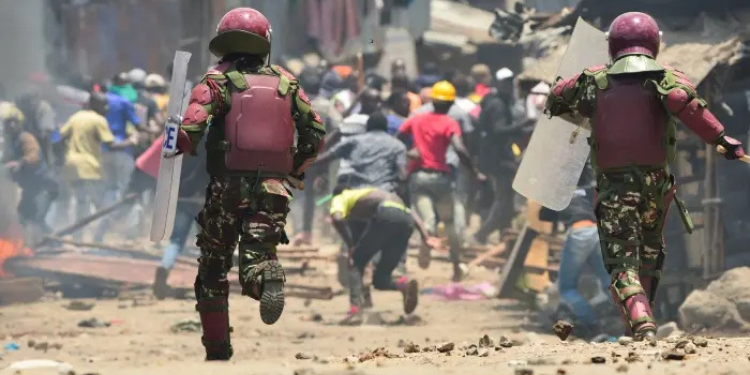

A government programme set up to compensate victims of police brutality in Kenya is now facing allegations of corruption.
Reports indicate that some people who qualify for payments are being asked to hand over money before they can receive what is due to them.
The scheme was created to support those who suffered injuries, lost family members, or faced other abuses linked to police actions during protests and demonstrations. It covers a range of cases from earlier years through more recent unrest.
Officials have already processed hundreds of claims and paid out substantial sums in different phases. Families of those killed are meant to receive a set amount, while those with severe, moderate or minor injuries get corresponding payments based on the verified level of harm.
However, complaints have surfaced that certain beneficiaries or their relatives are being approached with demands for payments to speed up or complete the process.
These claims have led to questions about how transparent the system really is. Victims who already endured harm at the hands of security forces now face the possibility of further exploitation when seeking the compensation intended to offer some form of redress.
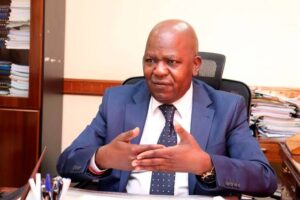
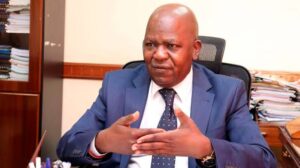
The panel handling the claims, led by Professor Makau Mutua, has dismissed the allegations.
Officials maintain that every application goes through verification and that the process aims to treat eligible people fairly.
They have urged remaining victims to submit claims before the approaching deadline for new applications, after which the panel will stop accepting fresh cases while continuing to work through those already filed.
Groups representing mothers and survivors of police violence have voiced frustration publicly. Some have staged demonstrations, holding posters of missing or deceased relatives and calling for clearer accountability in how the money is handled.
They argue that any demand for payment undermines the purpose of the programme and adds to the burden on families still seeking answers and support.
The situation highlights ongoing challenges in delivering assistance to those affected by past rights violations.
While the government has allocated funds and reported progress in disbursements, the emerging concerns underline the need for careful oversight.
Independent monitoring and clear communication about how claims are assessed and paid could help address doubts about fairness.
For many victims, the compensation represents recognition of harm suffered rather than full justice, making any suggestion of irregularities particularly troubling.
Attention remains on whether the process can proceed without additional barriers for those it was designed to help.






Add Comment