






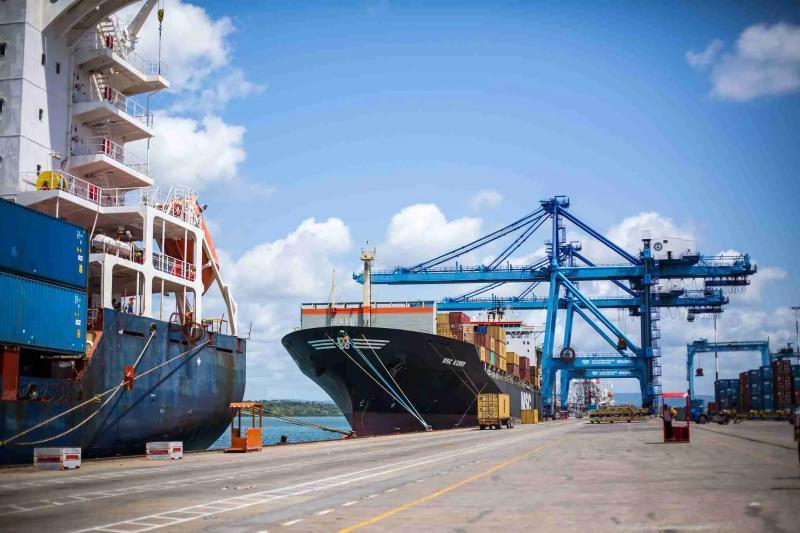

The Kenya Revenue Authority (KRA) will introduce mandatory Digital Marine Cargo Insurance for all imported goods from November 1, 2026, requiring importers and clearing agents to meet new insurance and documentation rules before their shipments can be cleared through customs.
In a public notice issued on Thursday, October 22, KRA said the requirement would be enforced in collaboration with the Insurance Regulatory Authority (IRA), following previous notices on the planned changes.
Under the new rules, importers will be required to obtain valid marine cargo insurance policies from insurers licensed by the IRA.
The insurance certificates must be processed through the Digital Marine Cargo Insurance System and successfully transmitted to the Integrated Customs Management System (iCMS) before customs declarations are submitted.
KRA warned that consignments that fail to meet the requirements will be blocked from customs clearance, potentially delaying the movement of goods into the country.
The authority urged importers, clearing agents and other stakeholders involved in international trade to prepare for the November deadline to avoid disruptions to their operations.
“Consignments failing to meet these requirements will be blocked from clearance, and stakeholders are urged to ensure full compliance to prevent trade disruptions,” KRA stated in the notice.
Importers seeking more information on the new requirements have been directed to consult the IRA website for further guidance on obtaining the necessary insurance cover and complying with the digital processing system.
The announcement comes as KRA continues to introduce changes to its cargo monitoring and customs operations, including plans to phase out government-owned electronic cargo tracking seals.
The transition is expected to be completed by October 26, 2026, under the Regional Electronic Cargo Tracking System (RECTS).
The new arrangement allows importers, transporters and other cargo operators to choose from authorised private vendors providing electronic cargo tracking devices, instead of relying solely on government-owned seals.
The changes are part of efforts to revise how cargo is monitored and processed within the customs system. Businesses involved in importing goods will now need to pay attention to both the marine cargo insurance requirement and the ongoing transition in cargo tracking arrangements.
With the November 1 deadline approaching, importers and clearing agents have been advised to ensure their insurance documents are valid and properly transmitted through the designated systems before submitting customs declarations.
Failure to comply could prevent shipments from being cleared, creating delays for businesses relying on imported goods.














Add Comment