






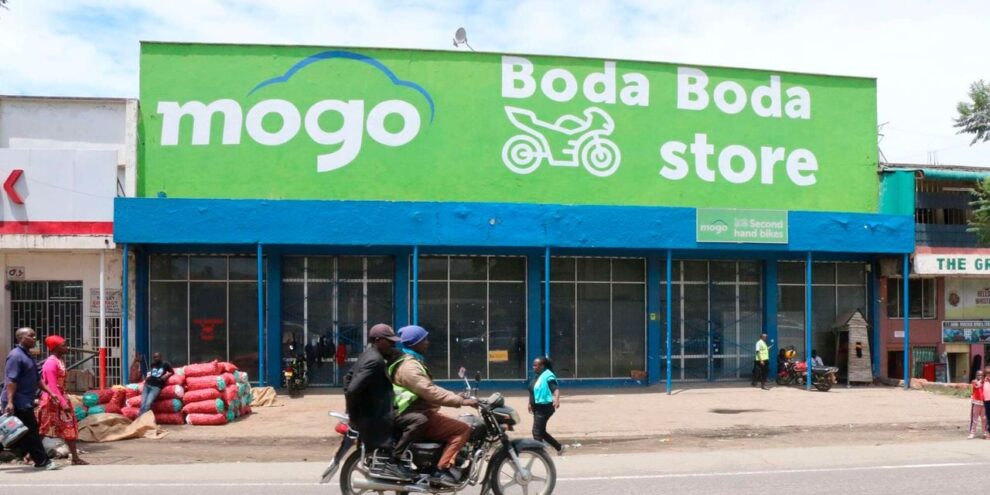

MOGO Kenya is facing renewed criticism over the cost of its motorcycle financing services after a Facebook post by Newton Kapiyo accused the company of charging riders amounts that far exceed the value of the motorcycles they are trying to own.
Kapiyo’s post has reignited concerns about the financial burden facing boda boda riders who rely on loans to acquire motorcycles and earn a living. His description of the financing arrangements as “open theft” reflects the frustration surrounding deals that some borrowers say leave them paying substantial amounts without clearing their debts.
The controversy centres on the cost of acquiring motorcycles through credit, with critics questioning why riders can end up paying sums comparable to the price of a car for a machine that is worth considerably less.
For many Kenyans, buying a motorcycle through financing is an opportunity to start a business without raising the full purchase price upfront. A rider can make an initial deposit, take the bike and begin earning money through passenger transport and deliveries while making regular repayments.
However, the arrangement can become financially difficult when interest, penalties and additional charges push the total cost far beyond what the borrower initially expected. What begins as a plan to secure a source of income can turn into a prolonged financial commitment, leaving riders struggling to meet their daily needs while keeping up with loan payments.
The concerns surrounding MOGO have previously extended beyond social media complaints.
The company has faced regulatory action from the Competition Authority of Kenya over concerns involving misleading customers and excessive charges.
It has also faced legal challenges over lending terms, bringing questions about interest rates and borrower protection into the public debate.
One of the main concerns raised is whether customers receive a clear breakdown of the full amount they will pay before signing financing agreements. Borrowers need to understand the interest charged, the repayment period, insurance costs, monitoring fees and any penalties that may apply if they miss a payment.
Without clear information, customers may find it difficult to assess whether they can afford the agreement in the long term.
A low initial deposit can make a motorcycle appear accessible, but the total repayment amount determines the actual cost of acquiring it.
Repossession is another concern for riders who depend on their motorcycles for their daily income. When a borrower falls behind on payments, losing the bike can mean losing the main source of money needed to support a family and settle the outstanding debt.
The issue also raises questions about the balance between a lender’s right to recover money and the need to protect borrowers from unfair terms.
Financing companies must be able to manage their lending risks, but customers also deserve transparent agreements and fair treatment throughout the repayment period.
MOGO Kenya had not publicly responded to the specific concerns raised in Kapiyo’s post at the time of writing.
The renewed criticism places pressure on the company to address concerns about the overall cost of its financing arrangements and how repayment terms are communicated to customers.
It also raises questions about whether existing consumer protection measures are sufficient to ensure borrowers understand their obligations before committing themselves to long-term debt.
For boda boda riders, the purpose of acquiring a motorcycle is to create an income-generating opportunity. When the cost of financing becomes too high, that opportunity can turn into a financial burden that is difficult to escape.
The debate surrounding MOGO is therefore about more than the price of a motorcycle. It concerns transparency, accountability and the ability of ordinary Kenyans to access credit without taking on obligations they may struggle to meet.
Borrowers deserve to know exactly what they are signing up for, how much they will pay in total and what happens if they fall behind.














Add Comment