






Electricity consumers in Kenya will pay more for power in October after the Energy and Petroleum Regulatory Authority (EPRA) introduced new charges that add about Sh4.10 to the cost of every unit consumed.
The adjustments were published in the Kenya Gazette on October 9, 2026, and comprise three separate charges linked to fuel costs, foreign exchange movements and water resource management.
The largest increase comes from the fuel energy cost charge, which stands at Sh3.22 per kilowatt-hour. Consumers will also pay a foreign exchange adjustment of Sh0.87 per unit and a water resource management levy of 1.34 cents per unit.
Combined, the three charges bring the additional cost to approximately Sh4.10 for every unit of electricity used.
The new charges are expected to affect households, small businesses and large companies, with the amount paid depending on monthly electricity consumption and the applicable tariff category.
A household that consumes 50 units in a month would pay about Sh205 more from the adjustments alone. Those using 100 units would face an additional cost of approximately Sh410, while households consuming 200 units would pay about Sh820 more.
Businesses that use larger amounts of electricity could face an even greater increase. A small business consuming 500 units in a month would incur an additional cost of about Sh2,050 before other applicable charges and taxes are included.
The fuel energy cost charge is meant to cover expenses incurred when electricity is generated using thermal power plants that rely on diesel and other fuels.
These plants are often used when electricity from sources such as hydropower and geothermal cannot meet demand.
The charge also accounts for the cost of imported electricity, which forms part of the power supply available to the country.
The foreign exchange adjustment, meanwhile, reflects changes in the value of the Kenyan shilling against the US dollar. Some electricity supply agreements are denominated in foreign currencies, meaning exchange rate movements can affect the cost of purchasing power.
The water resource management levy is linked to the management of water resources used by hydropower plants with a capacity of at least one megawatt.
Although the three charges were announced together, they apply to different billing periods.
The foreign exchange adjustment applies to meter readings taken in September, while the fuel energy cost charge and water levy apply to readings taken in October.
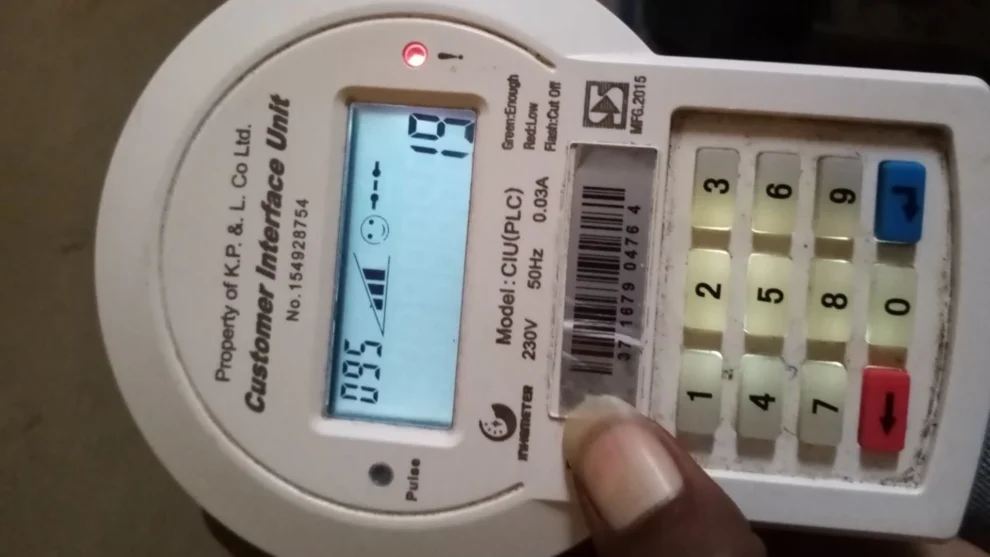
Consumers using prepaid electricity meters will feel the impact when purchasing their next tokens, as the charges affect the amount of electricity they receive for their money.
Customers on postpaid meters will see the adjustments reflected in their next bills.
The latest changes come amid continued pressure on household budgets, with Kenyans also spending more on food, transport and other basic needs.
The additional electricity costs could force some families to reduce consumption to manage their monthly expenses.
Businesses that depend on electricity for daily operations may also face higher operating costs. Workshops, retail outlets and manufacturing firms could be affected, particularly where power accounts for a significant share of their expenses.
EPRA applies these adjustments using data linked to electricity generation and supply costs, fuel expenses, purchased power and movements in foreign exchange rates.
The figures may therefore change from month to month depending on the factors affecting the electricity sector.
Similar adjustments have been applied in previous months, although the amounts vary depending on prevailing costs.
The charges are designed to reflect changes in the cost of supplying electricity rather than permanently changing the base tariff structure.
However, their combined effect remains significant for consumers who have to account for the additional expenses whenever they purchase electricity or settle their bills.
For prepaid customers, the impact is particularly noticeable because the number of units received can change even when they spend the same amount of money on tokens.
The October adjustments mean households and businesses will need to spend more to cover the same level of electricity consumption, adding to the financial pressure facing consumers across the country.














Add Comment