






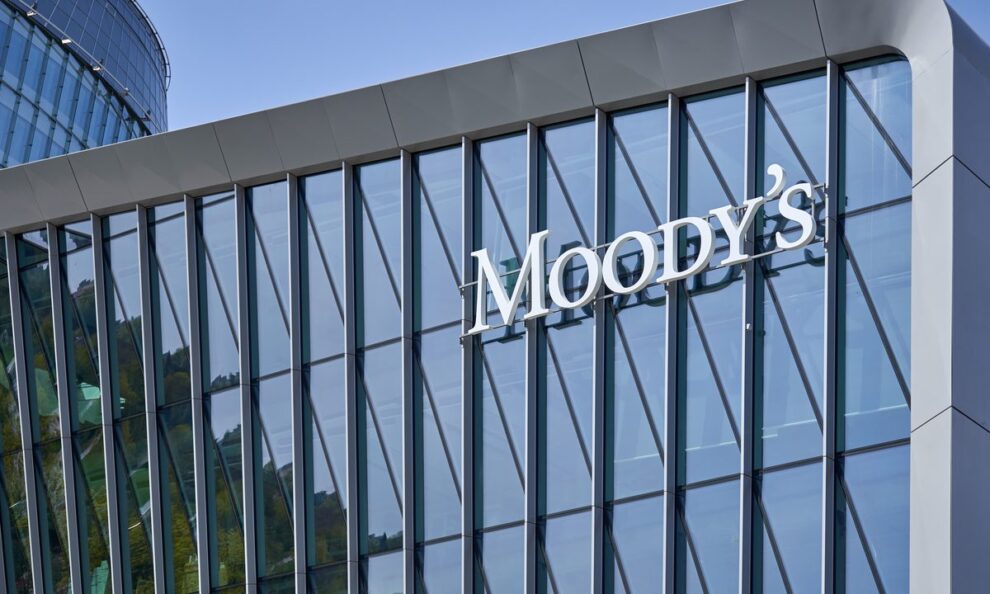

Kenya lost an estimated Sh19.5 billion after Moody’s lowered its credit rating in 2024. The move came in the wake of the Gen Z protests that year, which forced the government to drop plans for higher taxes in the Finance Bill.
Moody’s cut the rating deeper into junk territory, pointing to greater political and social risks as well as a reduced ability to raise revenue and manage debt.
The African Peer Review Mechanism, a body under the African Union, has looked at the decision and called it unfair.
According to the group, the downgrade happened without enough information or proper context. Key details about the final budget, spending plans, and other fiscal measures were not yet available when the rating change was announced.
The APRM argues that acting so quickly on incomplete data made the assessment speculative rather than grounded in full facts.
A lower credit rating usually means a country has to pay more when it borrows money from international markets. Higher interest rates and tougher terms add up over time.
In Kenya’s case, the extra costs from the 2024 downgrade have been put at around Sh19.5 billion.
That figure reflects the increased expense of servicing debt and raising new funds after the rating change.
The Gen Z protests themselves were driven by public concern over the cost of living and the proposed tax measures. When the government withdrew the bill, Moody’s saw this as a sign that fiscal consolidation would become harder.
Other rating agencies took a more cautious approach at the time, waiting for clearer mid-year data before making their own moves.
The difference in timing has fuelled the debate about whether the Moody’s action was premature.
The African Peer Review Mechanism has stressed that such rating decisions can have lasting effects. Once borrowing costs rise and investor confidence is shaken, it takes time and money to recover.
Kenya has since taken steps to stabilise its finances and return to the bond markets, but the earlier increase in costs remains part of the record.
This episode shows how sensitive markets can be to credit rating announcements, especially when they come during periods of social tension. The APRM continues to review these actions as part of its role in supporting African countries on credit rating matters, calling for more complete information before major changes are made.













Add Comment