





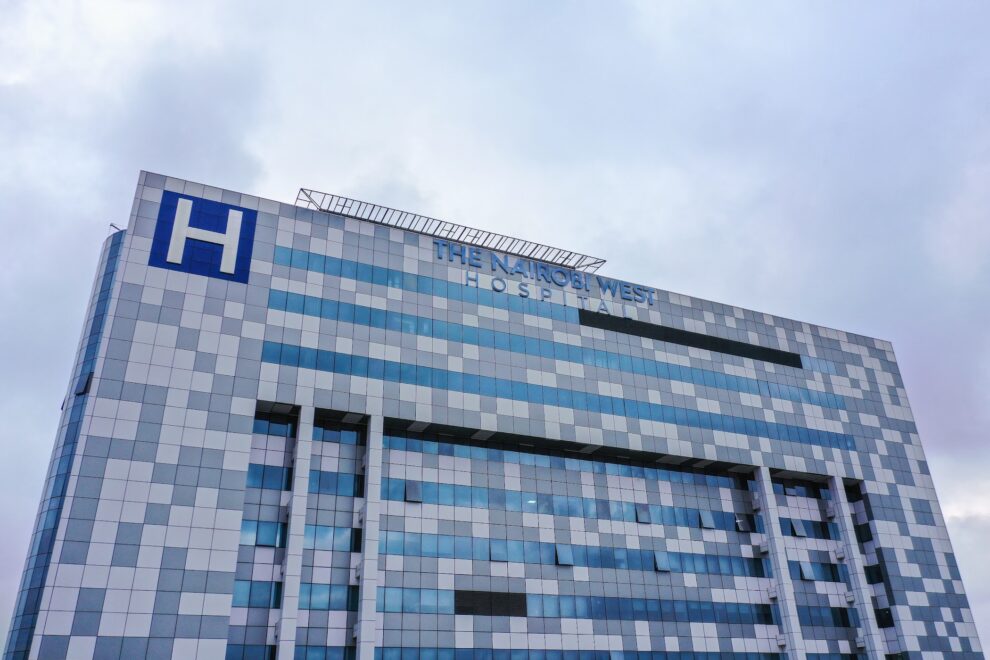

Fresh concerns have emerged after blogger Cyprian Nyakundi shared complaints from public servants who claim they are facing repeated delays in accessing medical procedures at Nairobi West Hospital despite being covered under the Social Health Authority Public Officers Medical Scheme Fund (SHA POMSF).
The allegations, raised by a whistleblower, have sparked questions about whether public officers are receiving the healthcare services they are entitled to under a scheme that they contribute to every month.
The complaints also place the spotlight on both Nairobi West Hospital and the Social Health Authority, with affected patients seeking answers over the reported delays.
According to the complaint, public servants first contact the hospital to confirm whether it accepts patients under the SHA POMSF cover.
They claim the hospital confirms that it does and proceeds to book appointments with specialists. Patients then attend consultations and undergo medical assessments as required.
However, the situation is said to change once doctors recommend surgery, admission, or other medical procedures.
The whistleblower alleges that patients are informed that the procedures cannot be carried out immediately and are instead told that they will be contacted later with a new date.
Many patients reportedly leave the hospital without clear information on when they will receive treatment. Some have allegedly waited for weeks without receiving further communication, leaving them uncertain about their medical care.
The complaint includes messages allegedly sent to patients informing them that planned procedures had been postponed and that new schedules would be communicated later.
According to the whistleblower, patients are verbally told that the delays are linked to a shortage of resources because of pending payments from SHA.
These claims have raised concerns among public servants who question whether patients paying cash for the same services face similar delays. Some feel that if procedures can be performed immediately for self-paying patients while insured patients continue to wait, then serious questions about fairness and equal access to healthcare need to be addressed.
The whistleblower further argues that patients should be informed of any service limitations before they spend time and money attending appointments.
According to the complaint, many patients only learn about the postponements after consulting doctors and receiving recommendations for treatment.
As a result, some affected individuals say they have been forced to seek treatment elsewhere using their own money, while others continue to wait despite having active medical cover.
For those dealing with serious medical conditions, the delays can have significant consequences on their health and wellbeing.
The allegations have now increased pressure on the Social Health Authority, led by Chief Executive Officer Dr Mercy Mwangangi, to clarify whether there are any payment challenges affecting services under the Public Officers Medical Scheme Fund at Nairobi West Hospital.
Questions are also being directed at the hospital’s management over whether services under the scheme remain fully available and whether patients are being given accurate information before appointments are booked.
The matter may also attract attention from the Ministry of Health under Cabinet Secretary Aden Duale and Principal Secretary for Medical Services Dr Ouma Oluga.
Public servants say they are not asking for special treatment but simply want access to the healthcare services they have been promised through a scheme they faithfully contribute to every month.
Until clear answers are provided, the complaints are likely to deepen concerns about transparency, accountability, and access to healthcare within the country’s public medical insurance system.












Add Comment