






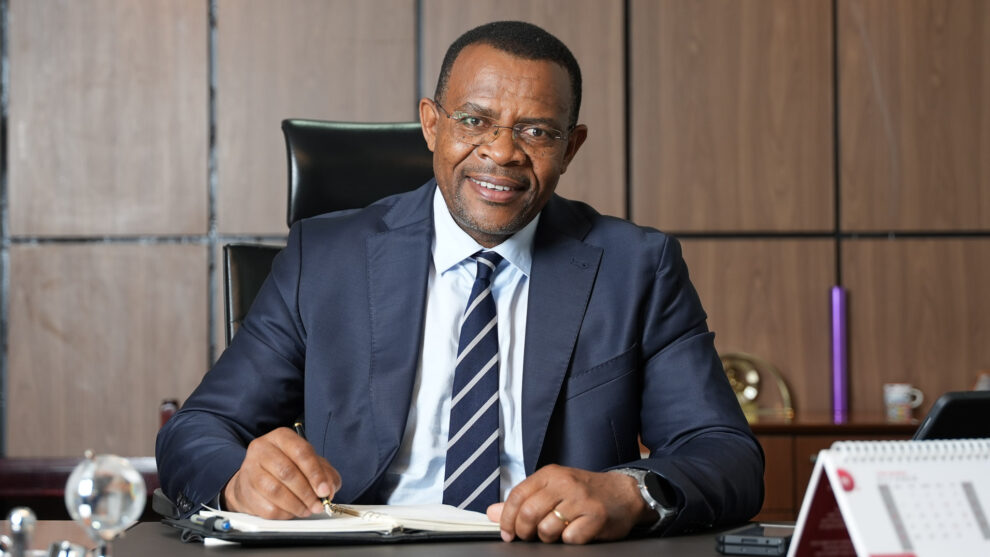

KenGen, one of Kenya’s most important state corporations, is facing growing pressure after a series of court cases, audit findings and parliamentary concerns exposed serious questions about how the company is being managed under Managing Director Peter Njenga.
The latest controversy centers on a Sh2.5 billion carbon credits tender that has now become the subject of a prolonged legal battle.
The Court of Appeal recently ordered a fresh hearing of a challenge filed by Sintmond Group Limited after the company was disqualified from a deal involving the sale of more than 6.3 million carbon credits.
The judges questioned how the due diligence process was applied, ruling that it should not be used to introduce new conditions after bids have already been submitted.
The ruling has once again placed KenGen under the spotlight and raised concerns about whether procurement processes involving major public assets are being conducted fairly and transparently.
The carbon credits are generated from some of Kenya’s key renewable energy projects and are estimated to be worth billions of shillings. Any doubts surrounding their sale naturally attract public attention.
However, the tender dispute is only one part of a much larger problem. Parliamentary investigations and Auditor General reports have revealed concerns about recruitment practices within the company. Auditors found that several employees were hired without public advertisement of positions, despite constitutional requirements that public jobs be filled through fair and open competition.
Lawmakers were particularly critical after it emerged that dozens of graduate engineers were recruited from an internal database instead of through a public recruitment process.
While management defended the move by citing urgent operational needs, MPs argued that qualified Kenyans were unfairly denied an opportunity to compete for the positions.
The concerns deepen when viewed alongside questions about ethnic representation within the company.
Figures presented before Parliament showed that two communities account for a significant share of KenGen’s workforce and promotions. Although the company has promised to address the imbalance, the statistics have fueled accusations that favouritism may be influencing employment decisions.
Further scrutiny has come from questions surrounding the management of multibillion-shilling public assets.
Auditors flagged delays in transferring infrastructure assets and highlighted major impairments involving projects that cost taxpayers billions of shillings.
Taken together, the procurement disputes, recruitment concerns, ethnic imbalance claims and asset management questions paint a troubling picture for a corporation that plays a central role in Kenya’s energy sector.
While no court or audit report has directly accused specific officials of stealing public funds, the repeated governance concerns point to weaknesses that could expose public resources to abuse.
As KenGen pursues ambitious expansion plans and positions itself for future energy projects, including possible involvement in nuclear power generation, many Kenyans are now demanding greater transparency, stronger oversight and accountability.
For a company entrusted with managing critical national assets, public confidence will depend not on promises but on clear answers to the growing questions surrounding its leadership and operations.












Add Comment