







Growing concern over the cost of medical care has once again sparked debate about the state of healthcare in Kenya.
Recent complaints shared on social media have highlighted claims that some hospitals and health workers are taking advantage of patients who are already struggling with illness, leaving many families feeling frustrated and helpless.
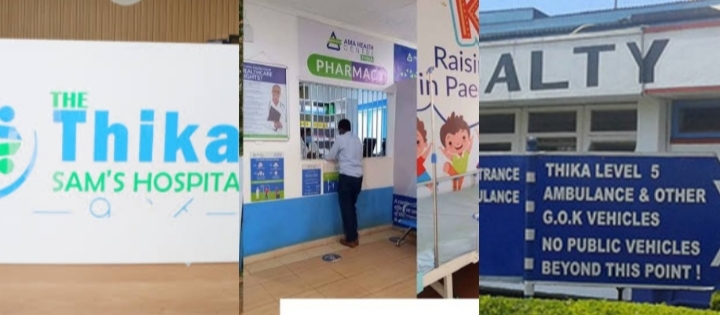
Among the facilities mentioned in these complaints are Thika Level 5 Hospital, Ama Health Centre, and Sam’s Hospital.
The allegations have drawn attention to a wider problem that many Kenyans say has existed for years.
For many families, a medical emergency can quickly turn into a financial crisis. When a loved one falls sick, most people focus on getting treatment as fast as possible. In such moments, they often have little time to question medical procedures, costs, or payment requirements.
Critics argue that this creates an environment where some facilities may charge high fees, recommend additional tests, or demand large payments before treatment continues.
Kenya’s healthcare system continues to face major challenges. Public hospitals often struggle with overcrowding, shortages of equipment, and limited resources.
As a result, many patients seek care in other facilities hoping to receive faster or better treatment. However, some families report that they end up facing medical bills that are far beyond their expectations.The impact can be severe.
Families frequently borrow money, organize fundraisers, sell property, or take loans to pay hospital expenses. In some cases, the financial burden remains long after the patient has recovered.
Others say they have delayed treatment because they feared they would not be able to afford the costs involved.
These experiences have raised concerns about whether quality healthcare is becoming increasingly difficult to access for ordinary citizens.
The situation is often hardest on low-income households. While wealthier patients may have insurance or enough savings to cover unexpected expenses, poorer families face difficult choices between healthcare and other basic needs.
Some patients report spending hours searching for affordable treatment or waiting longer to receive medical attention.
Health experts have repeatedly emphasized the need for stronger oversight, better funding, and greater transparency in the healthcare sector.
Many Kenyans are calling for hospital charges to be clearly displayed so patients understand what they are paying for before receiving services.
Others want investigations into complaints of unfair billing and stronger action against any individuals found to be exploiting patients.
There are also growing calls for increased investment in public hospitals. Supporters of this approach argue that better-funded facilities would reduce pressure on patients to seek expensive alternatives and improve access to quality care across the country.
Many citizens believe that healthcare should remain focused on saving lives and supporting patients rather than creating additional hardship. The concerns being raised reflect a broader demand for fairness, accountability, and compassion within the medical system.
For families already dealing with sickness and uncertainty, affordable and reliable healthcare remains one of the most important expectations from both healthcare providers and government institutions.
The growing public outcry shows that many Kenyans want urgent reforms. Whether through stronger regulation, improved hospital management, or increased funding, citizens are demanding a healthcare system that puts patients first. For many families, the hope is simple: when illness strikes, seeking treatment should not mean risking financial ruin.














Add Comment