





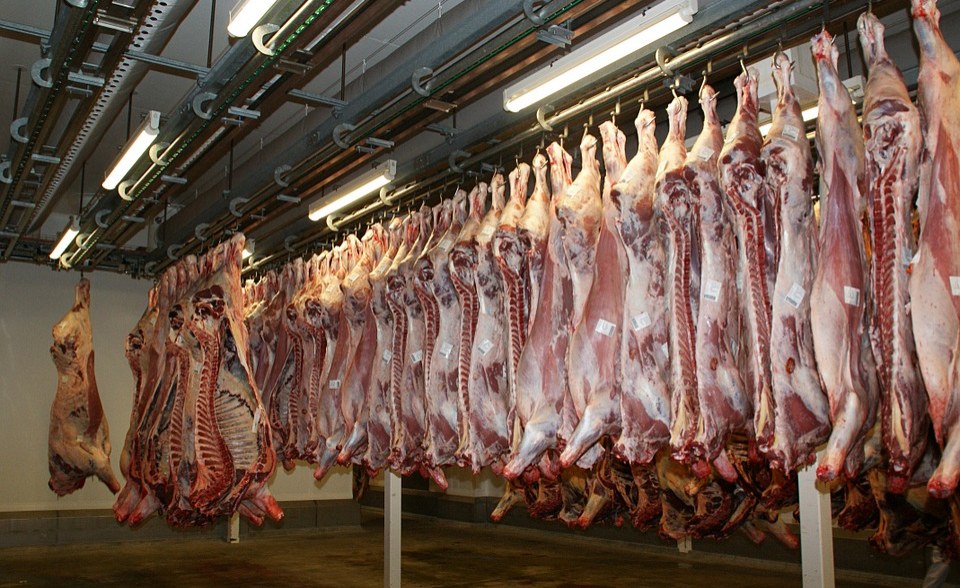

A fresh audit warning has placed the Kenya Meat Commission (KMC) under intense scrutiny after its financial position deteriorated further, raising questions about the effectiveness of the military-led management team currently running the state corporation.
The institution is under the leadership of Maj. Gen. Jattani Gula as Managing Commissioner, Lt. Gen. (Rtd) Joseph Kasaon as Board Chair, and Brig. C.K. Nyakundi as Deputy Managing Commissioner.
As losses grow and debts pile up, pressure is mounting for the leadership to explain how the corporation intends to recover. According to findings highlighted by the Auditor-General, KMC recorded a net loss of KSh410 million for the financial year ending June 2025, more than double the KSh168 million loss reported in the previous year.
The audit also raised concerns about the corporation’s ability to continue operating as a going concern, a serious warning that points to long-term financial instability.
The situation is made worse by the growing burden of unpaid bills. Reports indicate that suppliers are owed nearly KSh500 million, while cash flow challenges have continued to affect operations.
Management has attributed some of the problems to delayed payments from government agencies that form a large part of KMC’s customer base.
However, the Auditor-General noted that the corporation is also struggling with ageing machinery, operational inefficiencies and declining business performance. Sales have also been falling.
Audit records show that revenue dropped significantly, with KMC failing to meet its own income targets.
Livestock purchases have declined and delayed payments to suppliers have reportedly contributed to shortages of stock, making it difficult for the commission to maintain stable production and supply.
The latest concerns come despite years of efforts aimed at reviving the corporation. KMC was expected to play a critical role in supporting livestock farmers and strengthening Kenya’s meat industry after its reopening and subsequent investments.
The institution remains one of the country’s oldest and most important meat processors, with a mandate to provide a reliable market for livestock producers while supplying quality meat products to consumers.
What is now troubling many observers is that the financial decline has continued under a leadership structure largely associated with military discipline and efficiency.
When senior military officers were entrusted with the responsibility of steering the corporation, expectations were high that financial controls, operational performance and accountability would improve. Instead, the corporation now finds itself facing mounting losses, growing debts and questions about its future viability.
The key questions remain unanswered. What is the recovery plan to reverse the losses?
Who will be held accountable for the worsening financial position? How will the corporation settle supplier debts and restore confidence among livestock farmers?
Most importantly, how will taxpayers be protected from the possibility of another costly bailout if the financial situation continues to deteriorate?
As Parliament, oversight agencies and the public examine the latest audit findings, attention is likely to focus on whether KMC’s leadership can present a clear strategy to stop the decline.
With losses now at KSh410 million and auditors openly questioning the corporation’s future, calls for transparency and accountability are only expected to grow louder.












Add Comment