




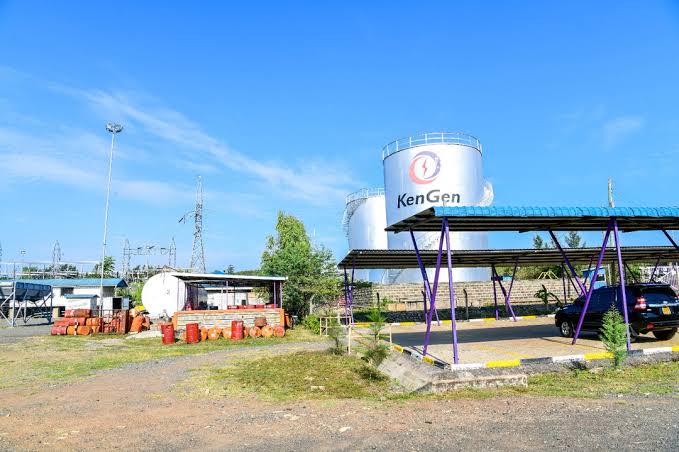

Questions are being raised over a recent announcement by KenGen that it awarded contracts worth KSh2.23 billion to youth, women, and persons with disabilities under the Access to Government Procurement Opportunities (AGPO) programme.
The announcement attracted attention because of the large amount involved and the government’s continued efforts to support groups that have traditionally faced challenges accessing public procurement opportunities.
However, beyond the headline figure, many Kenyans are now asking for more information about how the money was distributed and who actually benefited.
AGPO was introduced to help young people, women, and persons with disabilities gain access to government contracts. The programme was designed to create opportunities for groups that were previously left out of major procurement processes.
Its success is therefore expected to be measured not only by the amount of money allocated but also by the number of businesses that benefit and the impact those opportunities have on their growth.
Following KenGen’s announcement, questions have emerged regarding the identities of the companies that received the contracts, the projects involved, and the procurement procedures that were followed.
Some observers argue that without a detailed breakdown, it is difficult for the public to determine whether the programme is achieving its intended objectives.
Among the concerns being raised are whether the contracts were shared among many small businesses or concentrated among a few suppliers. There are also questions about whether the beneficiaries were first-time contractors or companies that have repeatedly won government tenders.
Others want to know how much of the KSh2.23 billion reached genuine youth- and women-owned enterprises and whether all procurement processes were competitive and transparent.
Critics argue that transparency is important because KenGen is a publicly listed company with significant government ownership. As a result, its procurement activities are considered a matter of public interest.
They maintain that citizens have a right to know how public resources are being spent and whether programmes intended to empower disadvantaged groups are delivering meaningful results.
Calls have therefore been made for the company to publish detailed information on all AGPO contracts awarded.
Such information could include the names of beneficiaries, tender reference numbers, contract values, project descriptions, and implementation status.
Supporters of this proposal say greater disclosure would allow independent verification of the programme’s effectiveness and strengthen public confidence.
The debate highlights a wider issue that has emerged in many public institutions, where large investment figures and procurement achievements are often announced without detailed supporting information.
While such announcements may generate positive publicity, many Kenyans believe that transparency should go beyond headline numbers and include clear evidence of who benefited and how the opportunities were distributed.
Attention is likely to remain on whether more information will be released regarding the KSh2.23 billion in contracts.
For many observers, the key issue is not simply the amount awarded but whether the funds created real opportunities for young entrepreneurs, women-owned businesses, and persons with disabilities across the country.














Add Comment