








Residents of South C in Nairobi have grown increasingly frustrated with the state of their neighbourhood under the leadership of MCA Abass Ibrahim Khalif.
Many point to poorly maintained roads that turn muddy and rutted during the rains, making daily travel difficult for both drivers and pedestrians.
Unchecked construction continues across the estate, with buildings going up without clear oversight, while commercial structures spread into residential areas in ways that residents say disrupt the original character of the place.
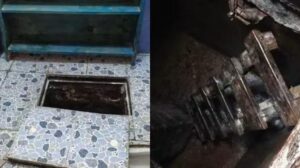
These complaints have become more public as people share videos and photos showing the current conditions. Some roads appear neglected, with debris and unfinished sites left unattended.
Locals argue that little has improved since the MCA took office, and the lack of proper regulation has allowed the problems to grow. Everyday life in South C feels harder as a result, with concerns about safety, drainage, and the overall look of the estate.
At the same time, Abass Ibrahim Khalif has made clear his interest in seeking the Lang’ata parliamentary seat in the 2027 general election. This ambition has drawn closer attention to his current record as MCA.
Residents who feel the area has declined under his watch are using the moment to highlight what they see as unfinished work and missed opportunities to improve basic services.
The issues raised are not new to many Nairobi estates, where rapid growth often outpaces planning and maintenance. In South C the combination of bad roads, loose construction activity, and the quiet expansion of commercial buildings has left some people feeling their neighbourhood is slipping.
They want clearer action on repairs and stronger controls to keep development in check.Whether these public calls will lead to visible changes remains to be seen.
The conversation centres on the gap between the expectations of residents and the results they have observed on the ground.












Add Comment