






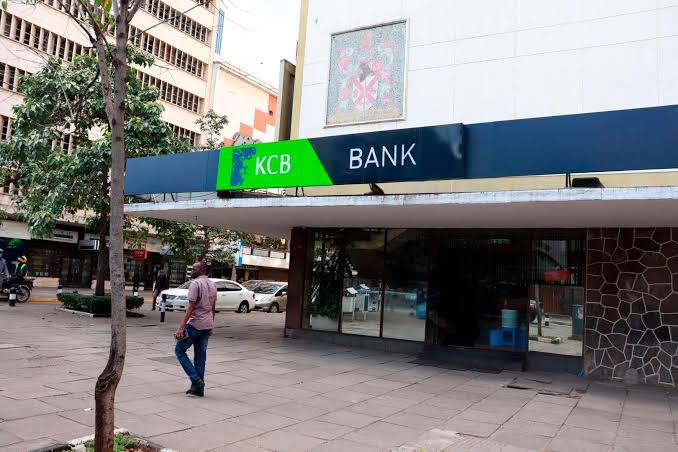

KCB Bank finds itself at the centre of a serious dispute involving a huge sum of money that has raised many questions about how the bank handles large foreign transfers and internal records.
According to court documents and reports, Fox-Capital Investment Limited claims that nearly 978.7 million euros, which is about 146 billion Kenyan shillings, was sent to KCB through UBS Switzerland AG.
The money was meant for the benefit of Fox-Capital and was intended to support major projects such as infrastructure, public-private partnerships and renewable energy investments.
Fox-Capital says the funds arrived via a SWIFT transfer and that confirmation documents from UBS showed the money had been successfully transmitted and settled.
The High Court has issued orders that stop KCB from moving, trading or interfering with these funds while the case continues.
The money is currently held under a pre-settlement suspense status.KCB has taken a different position. The bank says it has no record of the transaction in its systems.
It has written to UBS seeking confirmation and states that UBS replied that the documents and payment instructions presented are not genuine and did not come from them.
KCB has also asked the Directorate of Criminal Investigations to look into the papers filed in court by Fox-Capital, claiming they appear falsified. The bank points to the absence of any matching entry in its SWIFT gateway, sworn statements from its own officers and what it calls irregularities in the documents. This creates a sharp conflict.
One side says the money arrived and was held. The other side says the whole claim rests on fake papers and that no such funds ever entered the bank’s books in the way described.
Around the same period, another troubling event took place inside the bank. Rosemary Koech Kimwatu, who served as Head of Data Protection at KCB Group, was found dead at her home in Ngong.
A post-mortem examination confirmed that she died by suicide. She was a well-known figure in data protection, technology policy and fintech circles. She had joined KCB from Safaricom and later rose to head the data protection function across the group.
Her death has led to public discussion about workplace conditions at the bank. Some reports and social media posts have alleged that she faced sustained pressure and bullying from senior colleagues, including the Head of Fraud and Risk Assessment.
There are claims that she had raised complaints with human resources and higher management.
These claims remain unverified in official statements, and her family has also spoken about personal and financial difficulties she faced. Still, the timing has drawn attention because data protection and internal records sit at the heart of how a bank handles sensitive transaction information.
The original concerns raised about this matter point to three connected issues. First, the alleged attempt to hold onto a massive foreign remittance while treating it as potentially linked to criminal activity. Second, questions about whether records related to the funds were properly kept or whether there were efforts to remove or obscure them.
Third, the sudden death of a senior official responsible for data protection at a moment when large and disputed sums were under scrutiny. These points do not prove wrongdoing by themselves, but they create a clear need for full and open investigation.
Banks are trusted with public and private money. When a sum of this size appears or disappears from records, and when a key compliance officer dies under disputed circumstances, the public has a right to expect clear answers rather than silence or competing stories.
KCB has asked investigators to examine the court documents. That step is necessary. At the same time, the bank must also face questions about its own internal processes.
How did a remittance of this magnitude enter a suspense account if the bank now says no transaction exists?
Why were confirmation documents produced if UBS later denied them? What systems checks were carried out, and who had access to the relevant records?
On the human side, what support systems exist for staff who raise concerns about pressure at work, and were any formal complaints properly recorded and acted upon?
These are not minor administrative details. They go to the heart of trust in one of Kenya’s largest financial institutions.
The High Court will hear further arguments in September. Until then the funds remain protected by court order.
Meanwhile the death of Rosemary Koech continues to generate discussion about workplace culture, mental health support and the pressures faced by senior professionals in large organisations.
The combination of a disputed multi-billion-shilling transfer and the loss of a data protection head has left many people asking whether everything that should have been transparent has been made transparent.
Simple answers and full disclosure from all sides are required. Without them, public confidence in the handling of large financial flows and in the treatment of bank employees will continue to suffer.














Add Comment