






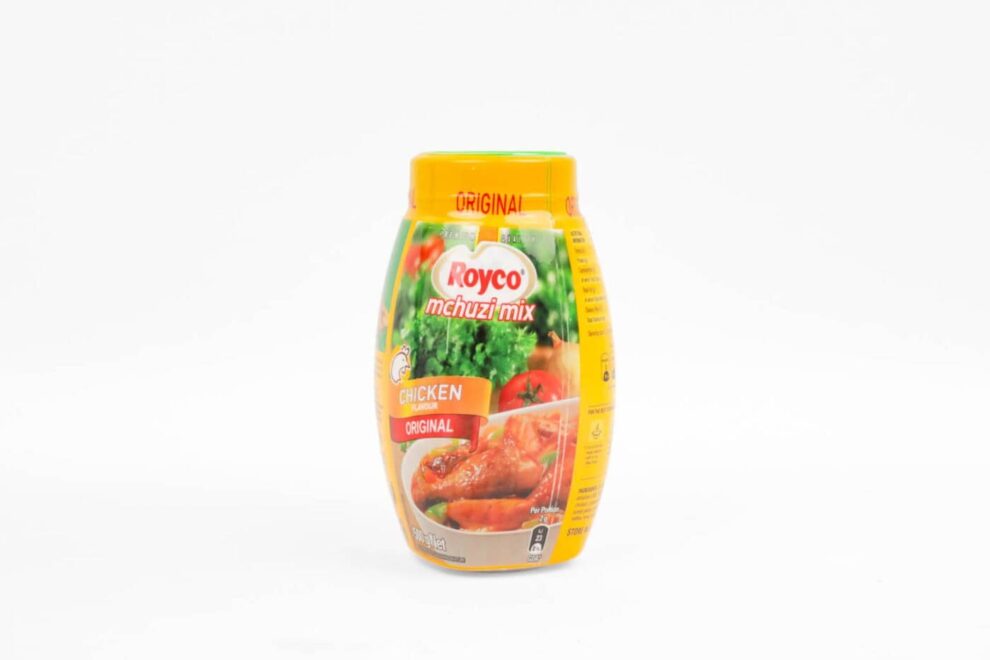

The Nyakundi report has sparked fresh debate after highlighting concerns about one of Kenya’s most popular food seasoning brands, Royco, raising questions about whether millions of consumers have been encouraged to make it a daily kitchen essential without fully understanding its nutritional impact.
For many years, Royco has been marketed as a simple way to make meals tastier and more enjoyable. The product has become a common item in many Kenyan homes, with countless families using it almost every day. However, recent discussions backed by academic studies and public health concerns have shifted attention from its popularity to the possible health implications of regular use and the way it is promoted to consumers.
Researchers who studied Royco’s television advertisements argue that the company’s marketing goes beyond introducing a seasoning product.
According to the studies, the advertisements rely on emotional storytelling, attractive family scenes, celebrity endorsements and appealing food images to encourage consumers to believe that great meals are incomplete without the product.
Critics say such advertising may influence buying decisions without giving equal attention to nutritional information that consumers also need.The concern is not simply about advertising.
Public health experts have repeatedly warned that excessive sodium intake is linked to serious health conditions including high blood pressure, heart disease and stroke.
Since seasoning products contribute to the amount of sodium people consume each day, nutrition experts believe consumers should better understand how these products fit into a healthy diet.
Published nutritional information indicates that a single 2-gram Royco cube contains about 455 milligrams of sodium. That amount is nearly a quarter of the World Health Organization’s recommended maximum daily sodium intake of 2,000 milligrams for an adult.
When two or three cubes are used in one meal, the sodium intake rises sharply even before table salt is added during cooking.
Experts also point out that some flavour enhancers found in processed seasonings contribute additional sodium, meaning the total amount consumed may be even higher than many people realize.
This has raised questions about whether enough public education is being provided to help families make informed choices about how much seasoning they use.
Critics also argue that the constant promotion of Royco through television, social media, celebrity chefs and online influencers has strengthened the belief that every meal needs processed seasoning.
While advertising is a legal and important part of business, researchers believe consumers should be encouraged to distinguish between persuasive marketing and nutritional facts.
The discussion has also extended to food transparency. Some health advocates believe nutrition labels should be made more noticeable on packaging so buyers can quickly understand the product’s sodium content before making a purchase.
Others have suggested that advertisements for processed food products should include stronger messages encouraging balanced diets and moderation.
Researchers have also referenced studies on quality control in processed spices sold in East Africa.
While those studies do not conclude that Royco products are unsafe, they reinforce the importance of strict quality assurance and continuous monitoring by regulators to protect consumers.
The growing debate is not about banning Royco or preventing people from using it. Instead, it focuses on whether consumers receive enough balanced information to make informed decisions about what they eat every day.
As Kenya continues to experience rising cases of hypertension, diabetes and other non-communicable diseases, experts believe discussions about everyday food choices should become more open and more informed.
Royco remains one of Kenya’s most successful food brands, but with that success comes greater responsibility. Millions of households trust the product and use it regularly.
That makes transparency, responsible marketing and consumer education just as important as strong sales.
The ongoing debate serves as a reminder that while companies have the right to market their products, consumers also deserve clear and balanced information that allows them to make healthier choices for themselves and their families.














Add Comment