






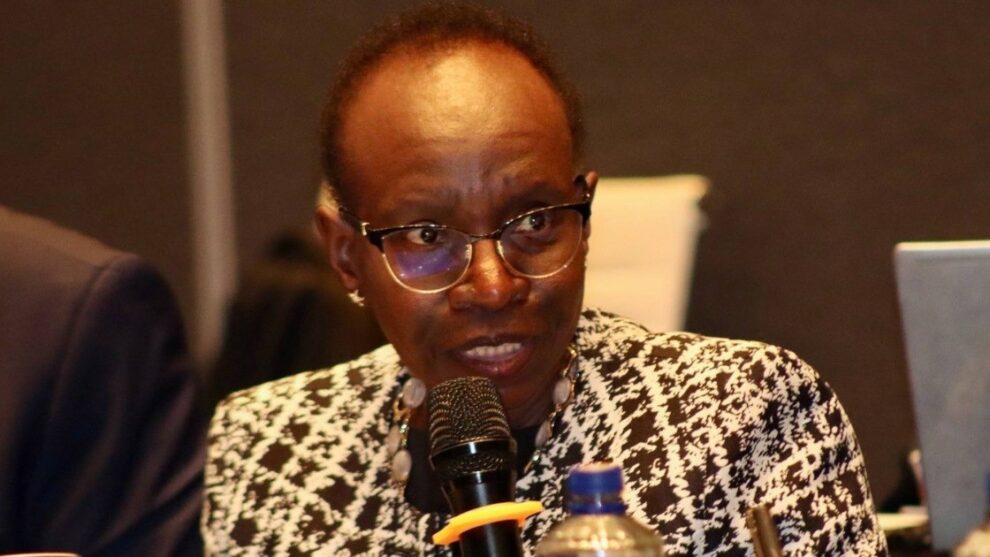

The Auditor General’s office has exposed serious problems facing public education in Kenya, especially the financial struggles in many schools. According to a detailed report presented to the Public Accounts Committee of the National Assembly, the National Government has consistently failed to provide enough money to run public schools properly.
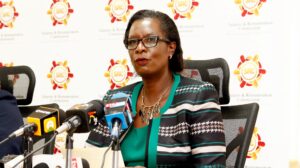
Auditor General Nancy Gathungu’s findings reveal that between 2021 and 2024, the government underfunded public schools by a total of Ksh.117 billion.
Secondary schools were hit the hardest, receiving Ksh.71 billion less than what had been planned. Junior secondary schools faced a shortfall of Ksh.39.9 billion, while primary schools missed out on Ksh.14 billion.
Justus Okumu, the Director of Audit in the Auditor General’s office, told the committee that the biggest problem schools face is underfunding.
He explained that although the Ministry of Education prepares budgets for school activities, these budgets are usually cut down. Because of that, some important activities are either delayed or not done at all. This leads schools to pile up debts as they try to stay afloat.
Another major concern raised in the report is the National Education Management Information System, commonly known as NEMIS. This system was supposed to help the government keep track of student numbers and distribute money fairly.
But the audit found that NEMIS has serious flaws. The student numbers it shows often don’t match what is actually seen in schools. Because of these errors, some schools received less money than they needed, while others were given more than they deserved.
For example, 354 secondary schools were overfunded by Ksh.3.5 billion. Additionally, 99 junior secondary schools received Ksh.30.8 billion more than they should have, and 270 primary schools got Ksh.79.9 million extra.
This confusion has led to many questions about the fairness and accuracy of NEMIS. Some MPs said the system may have been created to purposely disadvantage certain regions.
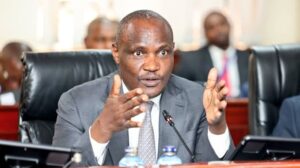
Funyula MP Oundo Mudenyo pointed out that many schools in some areas were recorded as having fewer students than they really had, which resulted in less funding for those schools. He called it a historical injustice that must be corrected.What shocked the committee even more were claims that funds were sent to schools that don’t even exist.
The audit team checked 83 schools and found that 14 of them received Ksh.16.6 billion in capitation funds, yet those schools could not be found in any county records.
County Directors of Education said they had no idea these schools even existed. In another case, six schools that had already shut down still got Ksh.889,348, and thirteen schools that received Ksh.11 million were registered under names that were different from those listed in NEMIS.
MP Mudenyo demanded accountability, asking who allowed this money to be sent to ghost schools.
He said the officers responsible must be named and punished. Committee Chairperson Tindi Mwale added that the Ministry of Education would be summoned to respond to the findings. He promised that the committee would move quickly and demand answers from those in charge.







Add Comment