






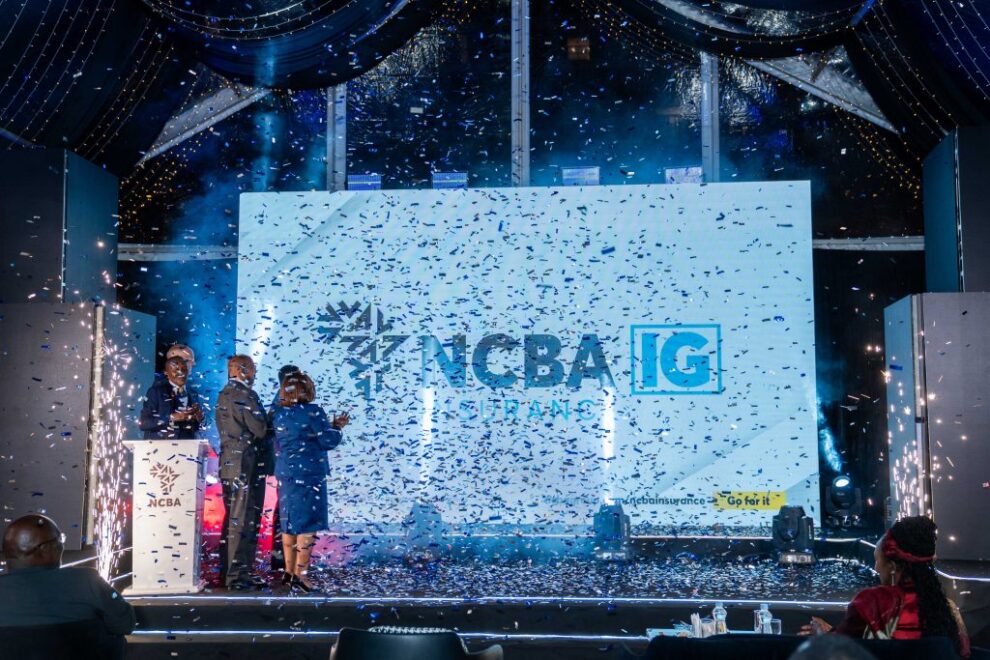

NCBA Bank is facing mounting criticism over its vehicle repossession operations, with angry Kenyans questioning the conduct of its auctioneers and the methods used to seize vehicles from borrowers struggling to keep up with loan repayments.
The lender has come under public scrutiny following complaints shared on social media, where customers and other Kenyans have raised concerns about what they describe as aggressive debt recovery tactics that leave borrowers counting heavy financial losses.
The controversy gained momentum after an X user identified as Kamûdù Dragon questioned the number of vehicles being held at a repossession yard linked to NCBA.
The user expressed disbelief after spotting vehicles bearing relatively recent registration numbers, including those in the KDY series, questioning how their owners had ended up losing their vehicles.
The user also questioned whether borrowers had been given a fair opportunity to address their outstanding payments before recovery agents moved in to take possession of their vehicles.
The post attracted considerable attention, reportedly recording approximately 272,000 views and thousands of reactions, bringing the bank’s debt recovery practices into the spotlight.
However, another account shared online raised even more serious questions about the conduct of the recovery agents.
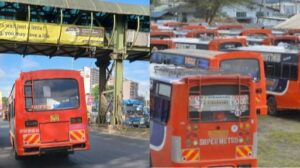
An X user identified as Teacher Leah alleged that a school bus had been repossessed while children were still inside, a claim that has drawn attention to the circumstances under which auctioneers conduct vehicle recovery operations.
“Walinichota school bus watoto wakiwa ndani. Hii bank wacha tu!” she wrote.
The allegation has raised questions about whether recovery agents consider the safety of passengers before taking possession of vehicles. If the incident happened as described, it would warrant serious scrutiny over the decisions made during the operation and the potential risks posed to the children.
The complaints have also exposed the difficult position borrowers can find themselves in when they fail to meet their financing obligations. Many Kenyans acquire vehicles through bank loans, committing themselves to monthly instalments that can run for several years.
For individuals operating transport businesses, school transport services and delivery companies, the vehicles are not simply personal possessions but important sources of income.
When business slows down, customers lose employment or unexpected expenses arise, keeping up with monthly repayments can become difficult. However, losing a financed vehicle can make an already difficult situation worse, particularly when the borrower depends on it to generate the income needed to clear the outstanding loan.
In some cases, repossession does not automatically end the borrower’s financial obligations. Depending on the financing agreement and the amount recovered through the eventual sale, customers may still be required to settle the remaining balance.
This has raised questions about how banks balance their right to recover outstanding loans with the need to treat customers fairly during the recovery process.
Under Kenya’s Movable Property Security Rights Act, 2017, lenders have enforcement rights over assets provided as security when borrowers default. However, those rights must be exercised within the law and in accordance with the applicable financing agreements.
Borrowers can therefore question whether the required procedures were followed, whether proper notices were issued and whether the amounts demanded by lenders and recovery agents are accurate.
The conduct of auctioneers is equally important, particularly where repossession exercises involve vehicles carrying passengers or operating in public spaces.
Recovery agents are expected to operate within their legal authority and observe the applicable requirements governing their work.
NCBA is now facing questions over the conduct of the auctioneers it engages, the safeguards in place during repossession exercises and whether customers experiencing temporary financial difficulties are offered alternative repayment arrangements before losing their vehicles.
The bank also faces questions about the transparency of repossession expenses, storage charges and the eventual auctioning of recovered vehicles, particularly where borrowers have already made substantial repayments.
The Central Bank of Kenya, as the regulator overseeing commercial banks, remains an important institution in matters involving consumer protection and the handling of complaints against financial institutions.
While banks are entitled to recover money owed to them, their recovery operations must remain within the law. The right to enforce a loan agreement does not remove the obligation to follow proper procedures or protect members of the public from unnecessary risks.
The growing criticism has placed NCBA’s vehicle repossession practices under an uncomfortable spotlight, with Kenyans questioning whether the pursuit of outstanding debts is being carried out at the expense of borrowers’ dignity, financial stability and the safety of innocent passengers.









Add Comment