




The Director of Public Prosecutions (DPP) has asked the High Court in Mombasa to sentence controversial preacher Paul Nthenge Mackenzie to death over his role in the Shakahola massacre, which claimed the lives of 191 people, including 190 children.
The prosecution also wants 27 other people convicted alongside Mackenzie to serve life imprisonment, arguing that the punishment should reflect the seriousness of the crimes committed at Shakahola Forest in Kilifi County.
During sentencing submissions on Tuesday, November 3, Deputy Director of Public Prosecutions Jami Yamina told the court that the death penalty was the most appropriate punishment for Mackenzie, considering the scale of the deaths and the nature of the offences.
Yamina, however, asked the court to consider Mackenzie’s mitigation, level of remorse, regret and prospects of rehabilitation before making its final decision.
“The prosecution supports the imposition of capital punishment for Mackenzie, subject to consideration of his mitigation, remorse, regret and prospects of rehabilitation,” Yamina submitted.
The DPP relied on Section 204 of the Penal Code and the Supreme Court’s ruling in the Muruatetu case, arguing that the circumstances surrounding the Shakahola deaths justified the maximum punishment.
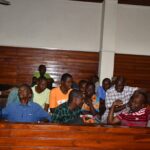
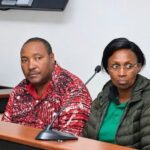
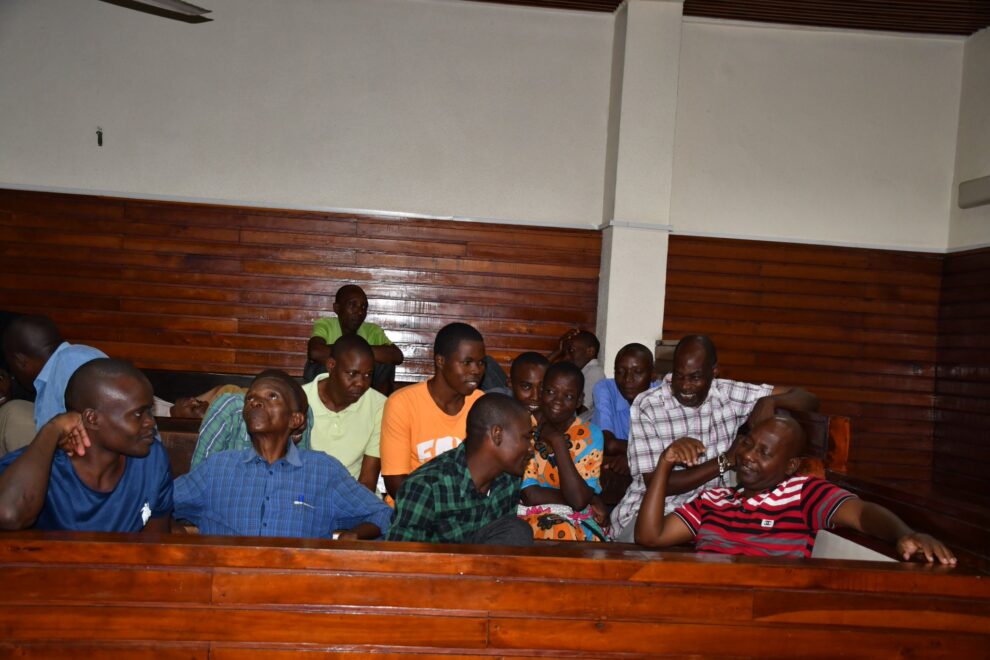
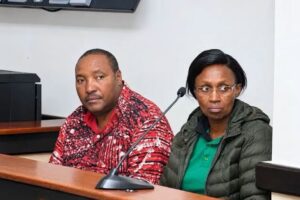
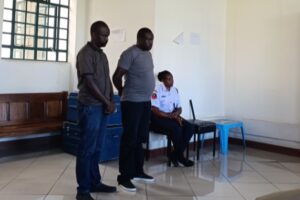
Mackenzie and 28 others were convicted of 191 counts of murder linked to the deaths that occurred at Shakahola Forest in Malindi Sub-County, Kilifi County, between January 2021 and September 2023.
The prosecution told the court that sentencing should serve several purposes, including punishment, deterrence, public protection, condemnation of criminal conduct, restorative justice and rehabilitation.
For the 27 other convicts, Yamina argued that life imprisonment would be appropriate because of the seriousness of the offences and the need to protect members of the public from similar incidents.
He further told the court that the other convicts had been heavily indoctrinated by Mackenzie and could remain vulnerable to committing similar offences.
He urged Justice Diana Kavedza to consider the individual role played by each convict while assessing their level of responsibility and the possibility of continued radicalisation.
The prosecution also presented recommendations from the National Counter Terrorism Centre (NCTC), proposing that the convicts voluntarily undergo rehabilitation programmes and engage with counter-narratives aimed at changing their beliefs and supporting their eventual reintegration into society.
The DPP further proposed an alternative sentencing approach should the court decline to impose life imprisonment on the 27 convicts.
Yamina suggested consecutive prison terms, arguing that each of the 191 deaths represented a separate murder offence and should therefore be considered individually during sentencing.
The prosecution also proposed grouping the victims into three age categories to guide the sentencing process.
These include children aged seven years and below, those aged between eight and 14, and minors aged between 15 and 18.Meanwhile, the prosecution asked the court to consider a separate sentencing arrangement for Enos Amanya Ngala, who pleaded guilty to all 191 murder counts and was convicted on his own plea.
In his case, the DPP proposed a custodial rehabilitation programme lasting between 24 and 30 months, during which his progress would be monitored through periodic reports.
The reports would then guide a subsequent review of his sentence.
The proposal also takes into account the 11-year custodial term proposed under his plea-bargaining agreement, the period he has already spent in remand and any applicable remission.
Justice Diana Kavedza is expected to deliver sentences against the 29 convicts on November 6, 2026, bringing the sentencing phase of the Shakahola murder case closer to its conclusion.









Add Comment