





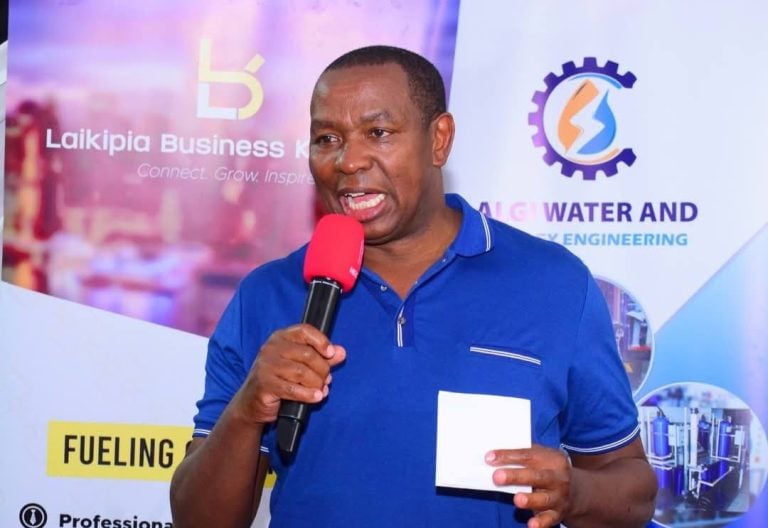

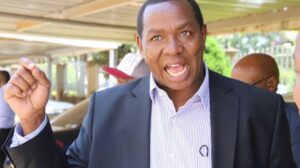
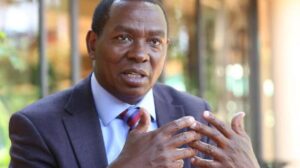
Ndiritu Muriithi, the current chairman of the Kenya Revenue Authority board and a former Laikipia governor, is facing growing public criticism over claims that he has failed to pay digital influencers who helped promote his recent rise as leader of the Kenya Reform Party.
The accusations, which have circulated widely on social media platforms in recent weeks, paint a picture of a senior public official and political aspirant who demands compliance from ordinary citizens but falls short when it comes to settling his own private political debts.
Muriithi served as Laikipia governor from 2017 to 2022 after winning the seat as an independent candidate. He lost the position in the 2022 general election and was later appointed by President William Ruto to head the KRA board, taking the oath of office in late December 2024.
In that role, he has repeatedly urged Kenyans and businesses to meet their tax obligations promptly, stressing professionalism, fairness, and the importance of systems that make compliance easier.
At the same time, he has returned to active politics. In August 2026 he declared his intention to contest the Laikipia governorship again in 2027.
By late September, he was elected unopposed as leader of the Kenya Reform Party during a national delegates conference held at Ufungamano House in Nairobi.
His platform centres on manufacturing, industrial parks across all 47 counties, value addition, and job creation, with a stated rejection of ethnic-based politics.
It was around the time of that party leadership event that influencers were reportedly engaged to amplify the news and build online visibility for Muriithi’s political rebranding.
According to multiple accounts that have emerged since early October, the creators carried out the work, generated engagement, and helped draw attention to his new position. Yet payments allegedly never materialised.
Social media posts, including those from advocacy accounts, have accused Muriithi and his party of leaving the influencers unpaid after the services were delivered.
One post described the situation as shameless, noting that it is common practice to engage digital creators for political messaging only for the bills to remain unsettled once the visibility has been secured.
Calls have been made for intervention, with some tagging State House and the president directly.
The irony has not been lost on observers. As KRA board chairman, Muriithi sits at the top of the institution tasked with collecting taxes from citizens and businesses. He has spoken about integrity, economic discipline, and the need for people to meet their financial responsibilities.
In past comments he has also criticised political handouts, arguing that such practices often rely on diverted public resources and that leaders who depend on them tend to have weak development records.
Residents in Laikipia have previously described him as careful with money, sometimes to the point of being labelled stingy. Now the same man faces claims that young digital workers who helped sell his political message have been left waiting for their dues.
No public response has come from Muriithi, the Kenya Reform Party, or the Kenya Revenue Authority regarding the specific payment tussle.
The absence of a denial or clarification has allowed the story to gain traction. Digital influencers have become an established part of political communication in Kenya, particularly in reaching younger audiences.
When agreements are not honoured, the disputes quickly move into the public domain and raise questions about consistency and reliability.
For a politician positioning himself as a competent, inclusive leader ready to return to the Laikipia governor’s office, unpaid private political bills create an awkward contrast with the image he seeks to project.
The episode arrives at a sensitive time. Muriithi is actively rebuilding his political base ahead of 2027 while continuing to hold a high-profile national appointment.
The claims do not involve public funds or official KRA operations; they concern private arrangements linked to his party activities. Still, the optics are difficult.
A figure who collects revenue from the public and preaches fiscal responsibility is being asked to explain why those who worked to advance his personal political ambitions have not been paid.





Add Comment