



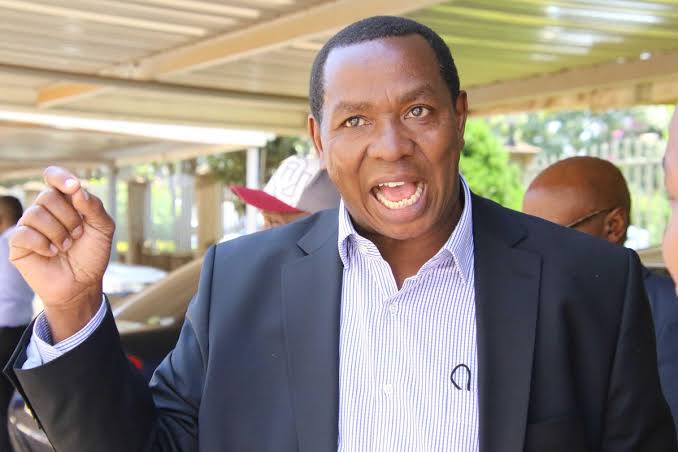

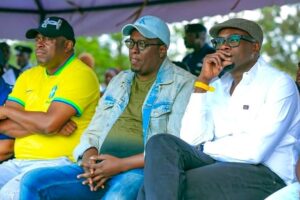
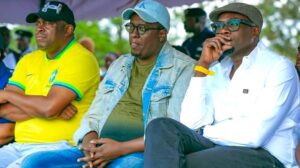
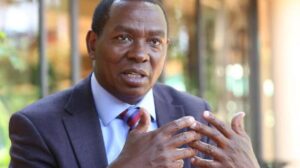
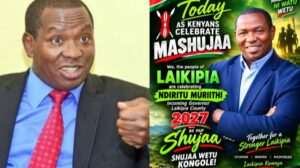
Ndiritu Muriithi, the Kenya Revenue Authority board chairperson and former Laikipia governor, has come under fresh online criticism after taking the leadership of the Kenya Reform Party.
Social media posts have accused him of failing to pay digital influencers who helped promote his recent political activities, including the party conference where he was declared leader.
Party leadership change
Muriithi was declared the new leader of the Kenya Reform Party on 28 September 2026 during a National Delegates Conference held at Ufungamano House in Nairobi. Party officials announced that his nomination went unopposed and the National Elections Board declared him duly elected on that basis. Claims over unpaid influencers**Days after the conference, posts on X accused Muriithi and the party of not paying digital creators who had amplified news of his election as leader. An account calling itself Kenyans Against Injustice claimed the influencers had done the work agreed and should not have to chase payment. The post called on President William Ruto to intervene. Similar messages followed from other users, though no public list of names or exact amounts has been produced. Muriithi has not issued a detailed public response to the claims. The episode has drawn attention to the growing role of paid digital promoters in Kenyan politics and the disputes that can follow when payments are delayed or contested.
Earlier controversies
Questions from Muriithi’s earlier career have also been recalled in online discussions. During his time as assistant minister, the collapse of Ngarua Millers in Laikipia attracted criticism.
Later attempts while he was governor to revive the mill led to community disputes, with some residents alleging moves toward privatisation of a cooperative asset. Separate concerns were raised about the privatisation of a community slaughterhouse that critics linked to family business interests.
These matters generated public debate and legal challenges at the time, though they did not stop him completing his term as governor or receiving the later national appointment.
The current payment dispute arrives as political parties and aspirants begin organising more actively ahead of 2027. Digital influencers have become a regular part of campaign visibility, often working on short-term or informal arrangements.
When those arrangements break down, the disagreements quickly become public. For Muriithi the episode adds an early complication to his effort to rebuild a political platform both at the party level and in Laikipia.




Add Comment