



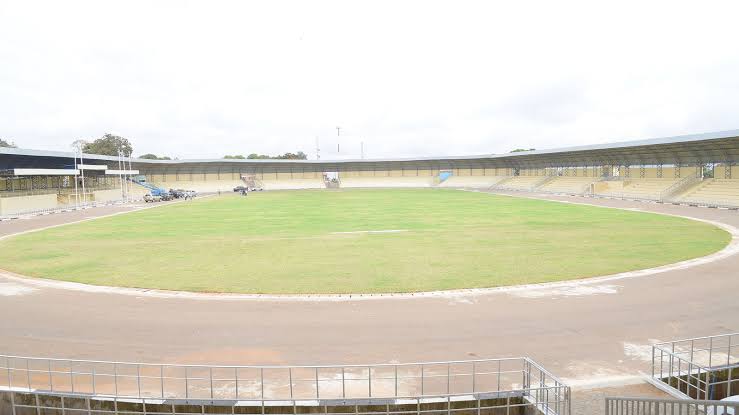

Kinoru Stadium in Meru County stands as a clear example of how public money can vanish without delivering much in return.
More than one billion shillings have gone into building and upgrading the facility, yet it remains in a poor state and largely unusable for sports.
The stadium first took shape in 2015 under the county government led by then Governor Peter Munya, who put in about 160 million shillings. Sports Kenya later took over the second phase of works in 2017, pouring in another 862 million shillings.
Ten years on from that second phase, the results are disappointing.
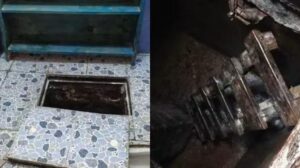
Visitors today find a torn tartan track that has seen better days, a dusty and uneven pitch that is far from ready for proper matches, and terraces where the paint is peeling off. There is no standard running track and the playing surface falls short of what athletes and footballers need.
Sports officials and local stakeholders have repeatedly pointed out these problems and called for urgent repairs so that games and training can resume. Young people in Meru who want to develop their talents have few options left while the main stadium sits idle.
The situation has drawn criticism over the years. Past inspections by sports leaders highlighted substandard work and questioned whether the money spent matched the quality delivered.
Promises of completion and handover have come and gone, yet the facility has never fully opened for regular use. Local football teams and athletics groups have been left to make do with poorer grounds, limiting opportunities for competition and talent spotting.
This is not just about one stadium. It reflects a wider challenge in managing public sports projects across the country. When large sums are spent but the end product cannot host even basic local events, the community loses out. Residents of Meru continue to hope that authorities will finally step in, fix the remaining issues, and turn Kinoru into the usable venue it was meant to be.






Add Comment